
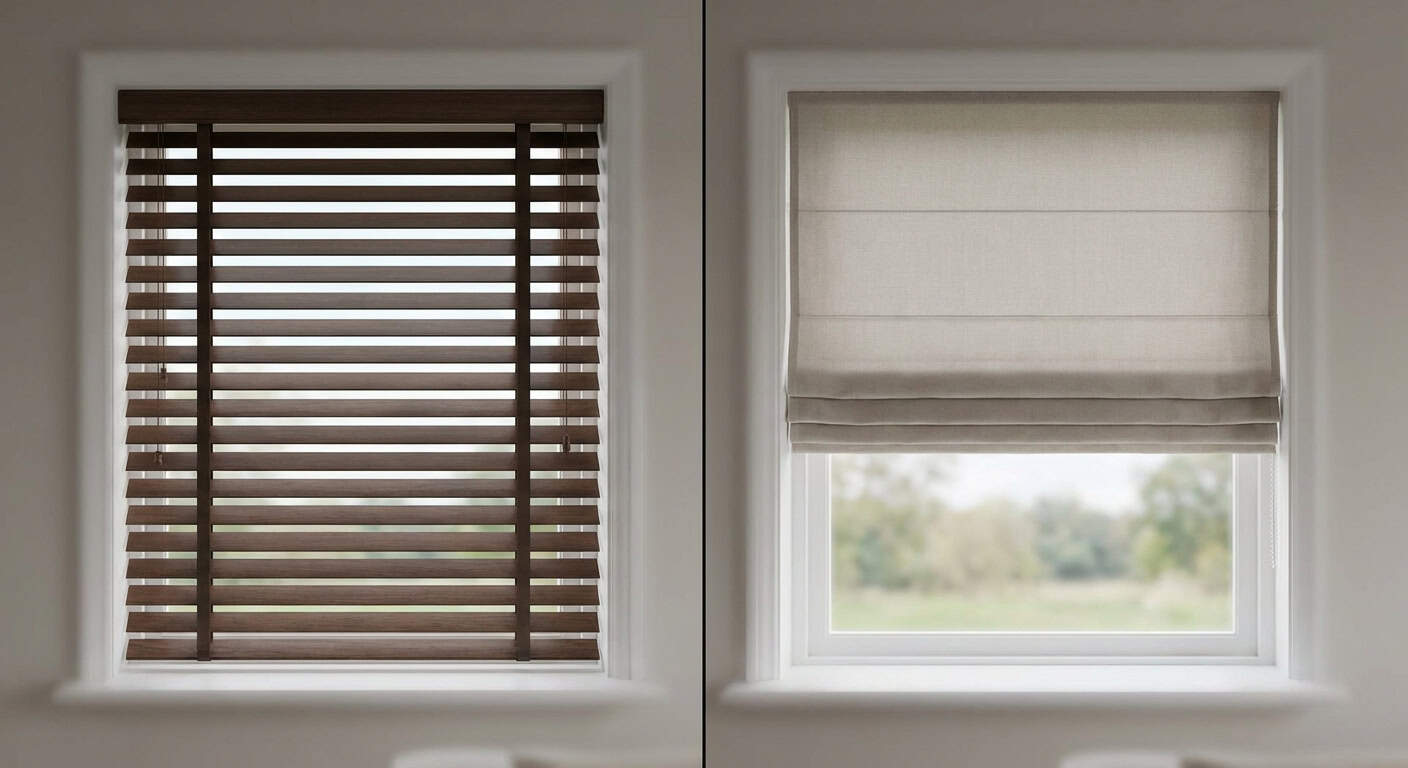
Choosing Your Window Treatments
Confidently choose your ideal window treatments by understanding the fundamental differences between blinds and shades. This guide will help you navigate the options to select the perfect fit for your home’s aesthetics and functional needs. Making the right choice ensures both style and practicality for your living spaces.
Selecting the right window coverings is a crucial step in enhancing your home’s decor and functionality. Whether you prioritize precise light control, a soft ambiance, or enhanced privacy, the distinction between blinds and shades plays a significant role. Understanding these differences is key to helping you pconfidently choose your window treatments.
This comprehensive blinds vs shades guide aims to equip you with the knowledge needed to make an informed decision. We’ll explore the unique characteristics of each, discuss their benefits, and provide insights to help you pconfidently choose your window treatments that align with your lifestyle and design preferences. Explore options like roller blinds versus Roman shades to get a clearer picture of specific styles.
What Are Blinds?
Blinds are a type of window covering characterized by their construction of horizontal or vertical slats. These slats can be individually adjusted to control the amount of light entering a room and to provide varying degrees of privacy. The ability to tilt or angle these slats offers precise light management, making them a versatile choice for many homeowners looking to pconfidently choose your window treatments.
The core function of blinds relies on their movable components. Whether made from materials like wood, vinyl, aluminum, or faux wood, the fundamental design involves slats that overlap when closed and can be opened or angled to direct light. This mechanism allows for a nuanced approach to light and privacy compared to solid window coverings. Understanding the construction of blinds is a key step when you want to pconfidently choose your window treatments, and our window blinds guide offers comprehensive details.
Different types of blinds offer distinct functionalities and aesthetics. For instance, Venetian blinds feature horizontal slats, while vertical blinds have larger slats that run from top to bottom, making them ideal for patio doors or large windows. Exploring various blind styles can significantly help you pconfidently choose your window treatments that best suit your space. You can learn more about different styles in our guide to Venetian blinds or by comparing vertical blinds versus roller blinds for more.
While blinds offer excellent light control, some may seek even greater darkness or a softer aesthetic. In such cases, alternatives like blackout blinds or curtains might be considered, as discussed in our comparison of blackout blinds versus curtains for more. However, for those prioritizing adjustability and a classic window treatment look, blinds remain a top contender to pconfidently choose your window treatments. For a more modern and automated approach, consider exploring smart window treatments for more.
What Are Shades?
Window shades are fabric-based window treatments that offer a softer aesthetic compared to blinds. They are constructed from a single piece of fabric or a collection of fabric panels that are raised and lowered using a cord, clutch, or motorized system. This fundamental difference in construction is what sets shades apart from blinds, which utilize slats. Understanding the different blind opener types can help you choose the best operating system for your needs.
Understanding the diverse world of shades is key to helping you pconfidently choose your window treatments. Shades are known for their ability to provide excellent insulation and a more uniform, streamlined look. They come in a wide array of styles, materials, and opacity levels, allowing for significant customization to match your home’s decor and functional needs.
Some popular types of shades include:
- Roller shades, which are a single piece of fabric that rolls up onto a tube.
- Roman shades, which fold up neatly into horizontal pleats when raised, offering a more decorative appearance. You can learn more about what are Roman shades and their elegance.
- Cellular or honeycomb shades, designed with air pockets to enhance energy efficiency.
- Woven wood shades, made from natural materials like bamboo or grass for a textured, organic feel.
When comparing them to blinds, the continuous fabric surface of shades provides a different approach to light filtering and room darkening. For instance, while roller shades offer simplicity, Roman shades can add a touch of sophistication, making them a versatile choice. The choice between different types of shades often depends on the desired ambiance and privacy level. For a direct comparison with another popular fabric option, explore our guide on Roman shades vs. curtains for more. For those interested in smart home technology, consider learning about smart blinds for your bedroom for more.
The material and design of shades significantly impact their performance. Lighter fabrics may offer light filtering, while thicker, layered, or blackout materials can achieve significant room darkening. This flexibility is a major advantage when homeowners aim to pconfidently choose your window treatments that perfectly suit their lifestyle and aesthetic preferences. For a specific comparison of two popular shade types, consider reading about roller blinds vs. Roman shades for more.
Key Differences: Blinds vs. Shades
Understanding the core distinctions between blinds and shades is crucial for making an informed decision about your window treatments. While both serve to cover windows, their construction, operation, and aesthetic qualities differ significantly. This section dives into these key differences, helping you confidently choose your window treatments by clearly outlining what sets blinds and shades apart, including various blind opener types.
Construction and Material Differences
Shades are typically made from a single piece of material that rolls or folds up to reveal the window. They are often fabric-based, offering a softer look. Blinds, on the other hand, are constructed from slats or vanes that can be tilted to control light. These slats can be made from various materials like wood, faux wood, aluminum, or vinyl. For instance, if you’re considering smart home integration, explore motorized window coverings for enhanced convenience.
Blinds are characterized by their rigid construction, typically featuring horizontal or vertical slats made from materials like vinyl, aluminum, wood, or faux wood. These slats can be tilted or rotated to control light and privacy. Shades, on the other hand, are constructed from a single piece of fabric or material that extends from the top of the window to the bottom. They do not have slats but instead operate by lifting and folding or rolling up. For example, you can explore different types of roller blinds versus Roman shades to see how their designs vary.
- Blinds: Composed of individual slats that overlap when closed.
- Shades: Made from a continuous piece of fabric that gathers or rolls up.
- Material Variety: Blinds offer diverse slat materials, while shades provide a vast array of fabric textures, patterns, and opacities.
For a deeper understanding of specific types, explore our roller blinds vs. Roman shades comparison and learn about the differences in vertical blinds vs. roller blinds. You can also compare Roman shades vs. cellular shades to make an informed decision.
Operation and Light Control
The way blinds and shades operate directly impacts their light control capabilities. Blinds offer precise adjustments; you can tilt the slats to filter light while maintaining a degree of privacy, or open them fully for unobstructed views. Shades, when fully lowered, provide a more uniform barrier against light. While many shades offer variable light filtering, they typically don’t allow for the same level of nuanced light adjustment as blinds. For advanced automation, consider exploring Hunter Douglas PowerView smart automation for your home.
- Blinds: Offer granular control through tilting slats to direct light and adjust privacy.
- Shades: Provide a more general light filtering or blocking effect, depending on the fabric and type.
- Versatility: Some shades, like cellular shades, offer excellent insulation, while others focus on aesthetics. For specific comparisons, see our insights on blackout blinds vs. curtains and Roman shades vs. curtains.
Aesthetics and Durability
When considering aesthetics and durability, both blinds and shades come in a wide array of materials and styles. Blinds, often made from wood, faux wood, aluminum, or vinyl, can offer a more traditional or modern look depending on the material and finish. Shades, on the other hand, are typically fabric-based, offering a softer appearance and a vast range of textures and colors. The durability of each depends heavily on the specific product and its intended use, but understanding the different blind opener types can also influence longevity and ease of use.
When considering aesthetics, blinds often provide a more structured and architectural look, especially those made from natural wood or faux wood. They can add a sense of formality or a classic finish to a room. Shades are generally perceived as softer and more contemporary, offering a clean, minimalist appearance. Their fabric nature can introduce warmth and texture, contributing to a cozier atmosphere. In terms of durability, blinds made from materials like vinyl or aluminum are often very robust and resistant to moisture and wear, making them suitable for demanding environments. For instance, you can explore the benefits of window blinds to enhance your home’s comfort and style.
- Blinds: Known for their structured appearance and robust construction, especially wood and faux wood options.
- Shades: Offer a softer, more flowing aesthetic, adding warmth and texture to interior spaces.
- Maintenance: Blinds can be easier to clean dust from due to their individual slats, while shade fabrics may require specific cleaning methods depending on the material.
Benefits of Choosing Blinds
Blinds offer a compelling array of advantages that make them a popular choice for homeowners looking to enhance their living spaces. Their inherent durability ensures they withstand daily use and the test of time, making them a wise long-term investment. This robustness means you can pconfidently choose your window treatments with the assurance of longevity.
One of the most significant benefits of blinds is their superior control over light and privacy. Unlike shades, which typically offer a more unified light diffusion, blinds feature adjustable slats that allow for precise manipulation of sunlight entering a room. This means you can tilt the slats to direct light upwards, downwards, or even block it out entirely, offering unparalleled flexibility for different times of day and personal preferences. This precise light control is a key reason many homeowners pconfidently choose your window treatments, and exploring zebra blinds can offer modern solutions for this.
- Durability. Blinds are constructed from robust materials like wood, faux wood, aluminum, or vinyl, making them highly resistant to wear and tear. This resilience contributes to their long lifespan, ensuring they remain functional and aesthetically pleasing for years.
- Precise Light Control. The adjustable slats of blinds allow for fine-tuning the amount and direction of natural light that enters a room. This feature is invaluable for creating specific moods, reducing glare on screens, and protecting furniture from sun damage.
- Enhanced Privacy. By tilting the slats, you can maintain privacy while still allowing some natural light to filter in. This dual functionality is a significant advantage when you need to secure your space without completely darkening it.
- Versatility in Materials and Styles. Blinds come in a wide range of materials, colors, and finishes, catering to diverse interior design preferences. Whether you prefer the warmth of wood or the sleekness of aluminum, there’s a blind style to match. For instance, exploring different types of Zebra blinds can reveal unique design possibilities.
- Cost-Effectiveness. In many cases, blinds can be a more budget-friendly option compared to custom shades, especially when considering their durability and longevity. This makes them an accessible choice for homeowners looking to pconfidently choose your window treatments without overspending.
The variety of materials available for blinds, from natural wood to resilient faux wood and sleek aluminum, offers a broad spectrum of aesthetic possibilities. This versatility ensures that homeowners can find blinds that not only meet their functional needs but also perfectly complement their home’s décor. Whether you are comparing vertical blinds versus roller blinds or considering other types, the material and style options are extensive. Furthermore, advancements in technology mean that many blind options now come with features like motorized controls, offering convenience and a modern touch, as seen in discussions about motorized blinds versus manual blinds for more. These factors collectively empower homeowners to confidently choose your window treatments that align with both your practical requirements and design aspirations.
Benefits of Choosing Shades
Shades offer a distinct set of advantages that make them a popular choice for many homeowners looking to enhance their living spaces. Their primary appeal often lies in their ability to create a soft, cohesive aesthetic. After installing hundreds of systems, our team has observed that shades provide exceptional versatility for achieving a gentle, unified look throughout a home. For instance, exploring Roman vs. cellular shades can help you decide which style best suits your needs.
One of the significant benefits of shades is their excellent energy efficiency. Many shade types are designed with insulating properties that can help regulate indoor temperatures, keeping rooms cooler in the summer and warmer in the winter. This not only contributes to a more comfortable living environment but can also lead to reduced energy costs. For more information on this topic, explore our guide on energy efficient window coverings for more.
Shades also boast a wide array of fabric options, colors, and textures, allowing for incredible customization to match any decor. Whether you prefer a minimalist look or something more luxurious, there’s a shade style to fit. For instance, exploring the differences between roller blinds and Roman shades can highlight how varied fabric applications can transform a room’s ambiance. Understanding the nuances between different shade types, like comparing Roman shades and curtains, further emphasizes their stylistic flexibility.
The smooth, clean lines that shades provide contribute to a modern and elegant appearance. Unlike blinds, which have distinct slats, shades typically present a continuous surface of fabric when lowered. This uninterrupted look can make windows appear larger and the room feel more spacious, which is a benefit often discussed when comparing Roman shades vs. curtains.
How to Decide: Factors to Consider
Choosing between blinds and shades involves evaluating several key factors to ensure your selection perfectly suits your home’s needs and your personal style. By carefully considering aspects like light control, privacy requirements, budget, and aesthetic preferences, you can confidently make a choice that enhances your living space. This guide will walk you through these crucial decision points to help you pconfidently choose your window treatments, whether you’re considering roller blinds versus Roman shades or other popular options.
Light Control and Privacy Needs
Your primary goal for window treatments often revolves around managing natural light and ensuring privacy. Blinds excel at providing granular control over light, with adjustable slats that can be tilted to direct sunlight or block it entirely. This makes them ideal for rooms where you need to fine-tune illumination throughout the day, such as home offices or media rooms.
Shades, on the other hand, typically offer a more uniform light diffusion or blackout effect. Roller shades and Roman shades, for instance, provide a solid barrier when lowered. If your main concern is blocking harsh sunlight or ensuring complete privacy, especially at night, exploring options like blackout roller shades can be a very effective solution. Consider if you need precise light angling or a consistent light-filtering effect when making your choice. For those seeking automated solutions, understanding motorized blinds vs. manual blinds can also be a key factor.
Budget Considerations and Material Choices
When considering window treatments, your budget is a significant factor. Different types of blinds and shades come with varying price points, influenced by materials, features, and brand. For example, basic roller shades are often more budget-friendly than custom-made Roman shades or high-end motorized options. It’s also worth exploring different types of roller blinds, as they offer a wide range of styles and price points to fit various budgets.
Budget plays a significant role in selecting window treatments, and both blinds and shades offer options across various price points. Basic vinyl or aluminum blinds are often the most economical choice, making them a popular option for large-scale projects or rental properties. Faux wood and real wood blinds, while more expensive, offer a premium look and increased durability.
Shades can also range widely in cost. Simple roller shades made from standard fabrics can be quite affordable. However, more elaborate styles like Roman shades or cellular shades, especially those made from high-end designer fabrics or featuring special insulation properties, will represent a greater investment. When comparing materials, think about how they align with your budget and the desired longevity of your window coverings. For instance, exploring options like roller blinds can highlight material and construction cost differences.
Aesthetic Appeal and Room Style
The visual impact of window treatments is crucial for interior design. Blinds generally offer a more structured and classic look. Their horizontal or vertical slats can add a sense of order and definition to a room. Materials like wood or faux wood can bring warmth and texture, while metal blinds can lend a modern or industrial feel.
Shades tend to provide a softer, more elegant aesthetic. The fabric drapes or folds, creating a gentler appearance that can complement a variety of decor styles, from minimalist to bohemian. The vast array of fabric textures, colors, and patterns available for shades allows for significant customization, enabling them to become a prominent design element or a subtle backdrop. For a unique modern light control option, explore the benefits of zebra blinds. Whether you’re aiming for a cozy feel or a clean, contemporary look, the style of your window treatments should harmonize with your overall room design. For specific light-blocking needs, consider how blackout blinds vs. curtains might influence your room’s ambiance.
Functionality and Ease of Use
Beyond aesthetics and light control, consider the daily functionality of your window treatments. Blinds, with their tilting slats, offer precise airflow and light management, which can be very convenient. However, they can sometimes be more challenging to clean thoroughly due to the individual slats.
Shades are often praised for their simplicity and ease of operation; a simple pull or lift can raise or lower them smoothly. Certain types of shades, like cellular shades, also offer excellent insulation properties, contributing to energy efficiency and comfort. When thinking about ease of use, consider how often you might need to perform roller blind repair, for example.
Styles and Materials Overview
Understanding the diverse styles and materials available for both blinds and shades is a crucial step to help you pconfidently choose your window treatments that complement your home’s decor. Each type offers unique aesthetic and functional qualities, catering to different design preferences and practical needs.
Blinds are characterized by their construction of slats, which can be adjusted to control light and privacy. These slats can be made from various materials, influencing their durability, appearance, and maintenance requirements. The variety in materials allows for different looks, from the natural warmth of wood to the sleekness of aluminum.
Shades, on the other hand, are typically made from a single piece of fabric or material that is pulled up or down to cover the window. Their construction lends itself to a softer, more uniform appearance compared to the angularity of blinds. The range of fabrics available for shades is vast, offering extensive possibilities for texture, color, and opacity. For a deeper dive into shade types, explore our Roman Shades vs. Cellular: Which Is Right for Your Home? guide. For tips on maintaining their appearance, learn how to clean fabric window coverings.
Styles of Blinds
- Venetian Blinds: Perhaps the most classic type, these feature horizontal slats that can be tilted or fully raised. They are highly effective for precise light control and are often available in wood, faux wood, or aluminum. You can learn more about what Venetian blinds are and their benefits.
- Vertical Blinds: Ideal for larger windows and sliding doors, these have vertical slats that traverse from side to side. They offer excellent light control and privacy.
- Roller Blinds: A simple and popular choice, roller blinds consist of a single piece of fabric wound around a tube. They offer a clean, minimalist look and are available in numerous fabrics. Explore our guide on roller blinds vs. Roman shades to understand their differences.
- Roman Shades: These combine the softness of fabric drapery with the functionality of shades. They fold up neatly into pleats when raised, creating an elegant appearance. Discover more about what Roman shades are and their sophisticated appeal.
Materials for Blinds and Shades
When choosing window treatments, consider the various materials available, such as wood, faux wood, aluminum, and different fabric types. Each material offers unique aesthetic and functional benefits. For instance, faux wood blinds provide the look of real wood at a more accessible price point and with increased durability in humid environments.
The material of your window treatment significantly impacts its look, feel, and performance. For blinds, common materials include real wood for a warm, natural aesthetic, faux wood (often vinyl or composite) for durability and moisture resistance, and aluminum for a sleek, modern, or budget-friendly option. Different types of blinds, such as roller blinds, are often made from polyester, cotton, or vinyl fabrics, offering varying degrees of light filtering or blackout capabilities.
Shades come in an even wider array of materials. Fabric shades can range from sheer linens that gently diffuse light to thick, blackout materials designed for complete darkness. Cellular or honeycomb shades are constructed with air pockets that provide excellent insulation, contributing to energy efficiency. Understanding these material differences is key to helping you confidently choose your window treatments, and exploring our comprehensive roller blinds guide can provide further insights.
Installation and Maintenance Tips
Proper installation and regular maintenance are key to ensuring your blinds and shades function optimally and maintain their aesthetic appeal for years to come. Following these guidelines will empower you to confidently choose your window treatments, knowing you can care for them effectively. Whether you opt for blinds or shades, a little attention can go a long way in preserving their look and performance.
While professional installation is often recommended, many window treatments can be installed by homeowners. Understanding the basic steps for both blinds and shades can help you pconfidently choose your window treatments by knowing what to expect. For motorized options, professional installation is usually a must to ensure the mechanisms are set up correctly. If you’re curious about the different types of openers available, our guide to smart home window automation can provide more detail.
Installation Steps for Blinds and Shades
- Measure Accurately: Before purchasing, meticulously measure your window openings. For inside mounts, measure the width and height of the inside frame at multiple points. For outside mounts, measure the area where the treatment will hang, adding overlap for desired coverage.
- Gather Tools and Hardware: Ensure you have all necessary tools, such as a drill, screwdriver, level, measuring tape, and the hardware provided with your blinds or shades.
- Prepare the Mounting Area: Clean the area where the brackets will be installed. If mounting directly into studs, pre-drilling pilot holes can make the process easier and more secure.
- Install Brackets: Following the manufacturer’s instructions, mark and install the mounting brackets. Use a level to ensure they are straight, which is crucial for proper operation.
- Mount the Window Treatment: Carefully attach the blinds or shades to the installed brackets. This often involves clicking them into place or securing them with screws.
- Test Operation: Once mounted, test the blinds or shades thoroughly. Ensure they open, close, and tilt smoothly without any sticking or misalignment. For motorized treatments, test the remote or smart home integration, or learn more about how motorized blinds work for more.
Maintenance Tips for Longevity
Maintaining your blinds and shades will help them last longer and look their best. The specific care will depend on the material, but general practices apply to most types. Regular dusting and occasional deeper cleaning can prevent buildup and keep your window treatments looking like new.
Different types of blinds and shades require different cleaning methods. For example, some fabrics can be spot-cleaned, while others may require professional dry cleaning. Understanding these differences will help you pconfidently choose your window treatments based on your willingness to perform specific maintenance tasks. For those interested in advanced features, understanding the maintenance of motorized blinds vs. manual blinds is important.
When considering different styles, it’s also helpful to compare the upkeep involved. For instance, vertical blinds vs. roller blinds may have different cleaning requirements due to their structure and materials. Always consult the manufacturer’s care instructions for the most accurate guidance on cleaning and maintenance.
General Maintenance Checklist:
- Dust regularly with a soft cloth or vacuum attachment.
- For stubborn spots on fabric blinds, consult a guide on how to clean fabric window coverings for more.
- Avoid harsh chemicals that can damage materials.
- Check cords and mechanisms periodically for wear and tear.
- Dust Regularly: Use a soft cloth, feather duster, or vacuum cleaner with a brush attachment to remove dust from slats (blinds) or fabric surfaces (shades) weekly.
- Spot Clean Stains: For minor stains on fabric shades, use a mild detergent mixed with water and a clean cloth. Blot the stain gently, working from the outside in. Avoid oversaturating the fabric.
- Wipe Down Blinds: For vinyl or aluminum blinds, a damp cloth with a mild cleaning solution can be used to wipe down the slats. For wood blinds, use a wood-specific cleaner and avoid excess moisture.
- Clean Tracks and Mechanisms: Periodically check and clean the tracks or headrails of your window treatments to ensure smooth operation. A dry cloth or a small brush can remove accumulated dust.
- Check Cords and Wands: Inspect operating cords and wands for any signs of wear and tear. Ensure they are functioning correctly and are not frayed or damaged, as this can impact how your window treatments operate.
Common Mistakes to Avoid
Even with thorough research, homeowners can still make common mistakes when selecting window treatments. Understanding these pitfalls is crucial to help you pconfidently choose your window treatments and avoid costly errors. One frequent oversight is misjudging the measurements for your windows, which can lead to ill-fitting blinds or shades that compromise both aesthetics and functionality. For guidance on ensuring a perfect fit, consult our guide to measuring window blinds for more.
Another common error is choosing materials that are not suited for the room’s specific environment or the desired level of light control. For instance, selecting delicate fabrics for a high-moisture area like a bathroom or opting for sheer materials when blackout capabilities are needed for a bedroom can lead to dissatisfaction. Similarly, overlooking the operational mechanisms can result in treatments that are difficult to use or prone to damage. For those seeking convenience, learning about motorized blinds explained can offer a modern solution.
Homeowners may also fall into the trap of focusing solely on aesthetics without considering practicality. This can mean selecting blinds that are difficult to clean or shades that offer insufficient privacy. It’s important to balance the visual appeal with the functional requirements of your space. For example, understanding the differences in light diffusion between various types of blinds and shades is key.
When comparing different options, remember that not all solutions are universal. For instance, when considering specific types, it’s helpful to know that roller blinds might offer a cleaner look than Roman shades in certain contemporary settings, while Roman shades can provide a softer, more luxurious feel.
Another area where mistakes can occur is in matching the window treatment to the room’s purpose. For example, rooms requiring complete darkness, like media rooms, demand different solutions than living areas where light diffusion is preferred. Failing to consider this can lead to disappointment. You might mistakenly think that all window coverings offer similar light-blocking capabilities, but this is not the case; for example, blackout blinds offer superior light control compared to standard curtains.
Furthermore, overlooking the long-term maintenance requirements can lead to frustration. Some materials are more durable and easier to clean than others. If you’re seeking low-maintenance options, understanding the inherent qualities of different blinds and shades is essential. For instance, comparing vertical blinds versus roller blinds might reveal differences in dust accumulation and cleaning effort.
Finally, many people fail to account for the overall budget, including potential installation costs or the need for specialized hardware. It’s wise to get quotes and understand the full investment before committing. This informed approach will help you pconfidently choose your window treatments without unexpected expenses.
Making Your Final Decision
You’ve navigated the distinctions between blinds and shades, explored their unique benefits, and considered crucial factors like light control, privacy, and style. Now, it’s time to solidify your understanding and confidently choose the window treatments that best suit your home. This guide has equipped you with the knowledge to move forward with certainty, ensuring your selections enhance both the functionality and aesthetic of your living spaces.
To help you pconfidently choose your window treatments, remember the core differences. Blinds offer precise light adjustment with their slats, providing durability and a classic look, while shades provide a softer aesthetic and excellent insulation with their fabric construction. Whether you lean towards the robust control of blinds or the elegant simplicity of shades, the key is matching the treatment to your specific needs and décor. For instance, if you’re considering shades, understanding the differences between Roman and cellular shades can help you make the best choice.
Consider exploring specific types further to refine your choice. For instance, understanding the differences between roller blinds and Roman shades can be particularly helpful if you are drawn to fabric window coverings but unsure of the subtle variations. Similarly, if light blockage is a primary concern, comparing options like blackout blinds versus curtains can guide you toward the most effective solution for your bedrooms or media rooms.
For those captivated by the tailored look of fabric shades, delving into the specifics of different styles is beneficial. Learning about what Roman shades are, for example, can reveal how their elegant folds and fabric choices can elevate a room’s design. Each type of window treatment offers a distinct advantage, and by focusing on your priorities, you can pconfidently choose your window treatments with ease. If you’re interested in modern convenience, you might also want to explore motorized blinds explained to understand their functionality.
Conclusion: Your Perfect Window Coverings
Navigating the choices between blinds and shades can seem complex, but understanding their distinct features and benefits empowers you to make the best decision for your home. By considering your needs for light control, privacy, style, and budget, you can confidently select window treatments that enhance both the beauty and functionality of your living spaces. This comprehensive blinds vs shades guide has provided the insights needed to help you pconfidently choose your ideal window coverings.
Exploring specific types can further refine your choice. For instance, understanding the differences between motorized blinds and manual blinds can help you decide on convenience and modern living. Similarly, comparing roller blinds and Roman shades reveals different approaches to fabric window treatments, while a look at vertical blinds vs. roller blinds highlights options suited for different window types and aesthetics. For those interested in the mechanics of window treatments, learning about blind opener types can be particularly insightful. Additionally, ensuring safety, especially in households with children, is paramount, and understanding child safe window treatments in Canada can provide peace of mind.
Ultimately, the perfect window coverings are those that align with your personal style and practical requirements. Don’t hesitate to explore the vast array of options available to find the window treatments that will beautifully and effectively serve your home for years to come.