
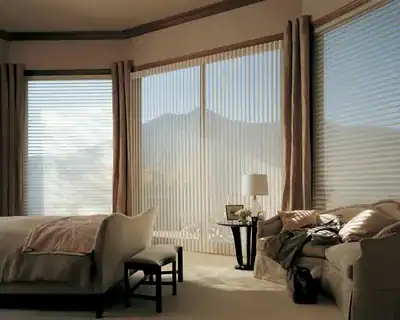
Understanding Energy Efficient Coverings
To effectively choose energy efficient window coverings, it’s crucial to understand their fundamental role in maintaining home comfort and reducing utility bills. These specialized window treatments are designed to minimize unwanted heat transfer, acting as a barrier against both summer heat gain and winter heat loss. By carefully selecting the right coverings, homeowners can significantly improve their living environment and their energy consumption.
The primary function of energy-efficient window coverings is to manage solar heat gain during warmer months and prevent heat from escaping during colder months. This dual capability contributes to a more stable indoor temperature, reducing the reliance on heating and cooling systems. Making informed choices when selecting these coverings ensures that you maximize both comfort and potential cost savings throughout the year.
When you decide to choose energy efficient window coverings, consider the specific climate in your region and the types of windows you have. Different materials and designs offer varying levels of insulation and light control, making some options more suitable than others depending on your needs. Understanding these factors will guide you toward the most effective solutions for your home, including exploring various blind opener types for operation.
Smart Home Benefits of Efficient Coverings
Embracing smart home technology can further enhance the benefits of energy-efficient window coverings. Automated systems allow for precise control over light and temperature, optimizing energy usage throughout the day. For instance, integrating motorized blinds with smart home hubs can create schedules that automatically adjust coverings based on sunlight and occupancy, contributing to a more sustainable and comfortable living space. Explore the possibilities of smart home window automation to transform your living environment.
Integrating energy-efficient window coverings into your smart home ecosystem enhances both comfort and cost savings. These coverings play a vital role in managing your home’s internal climate by reducing heat transfer. By strategically selecting and implementing these solutions, you can significantly improve your living environment while reducing reliance on heating and cooling systems.
When you choose energy efficient window coverings, you are making a smart investment in your home’s overall performance. They help maintain a consistent temperature year-round, preventing uncomfortable drafts in winter and excessive heat gain in summer. This consistent climate control is a cornerstone of any truly smart and comfortable living space.
The advantages of incorporating energy-efficient window coverings into a smart home are numerous. They work seamlessly with smart thermostats and other automated systems to optimize energy usage. This synergy ensures that your home’s climate control operates efficiently, leading to tangible reductions in utility bills. For more on this, explore our guide to smart home window automation for more.
- Temperature Regulation. Efficient coverings act as a barrier, keeping heat out during warmer months and retaining warmth during colder periods. This significantly reduces the workload on your HVAC system.
- Reduced Energy Bills. By minimizing the need for active heating and cooling, these window treatments lead to substantial savings on monthly energy expenses.
- Enhanced Comfort. Consistent indoor temperatures mean fewer hot and cold spots, creating a more comfortable living environment for all occupants.
- UV Protection. Many energy-efficient options also block harmful UV rays, protecting your furniture, flooring, and artwork from fading.
- Noise Reduction. The insulating properties of some window coverings can also help to dampen external noise, contributing to a more peaceful home environment.
Choosing the right window coverings is a critical step in maximizing these benefits. Factors such as material, construction, and installation method all play a part in their effectiveness. Understanding these elements will help you make an informed decision that aligns with your smart home goals and budget.
Principles of Energy Efficient Coverings
- Temperature Regulation. Efficient coverings act as a barrier, keeping heat out during warmer months and retaining warmth during colder periods. This significantly reduces the workload on your HVAC system.
- Reduced Energy Bills. By minimizing the need for active heating and cooling, these window treatments lead to substantial savings on monthly energy expenses.
- Enhanced Comfort. Consistent indoor temperatures mean fewer hot and cold spots, creating a more comfortable living environment for all occupants.
- UV Protection. Many energy-efficient options also block harmful UV rays, protecting your furniture, flooring, and artwork from fading.
- Noise Reduction. The insulating properties of some window coverings can also help to dampen external noise, contributing to a more peaceful home environment.
For those interested in automated solutions, exploring smart window treatments can further enhance your home’s efficiency and convenience.
Choosing the right window coverings is a critical step in maximizing these benefits. Factors such as material, construction, and installation method all play a part in their effectiveness. Understanding these elements will help you make an informed decision that aligns with your smart home goals and budget. For instance, exploring options like roman or cellular shades can offer a great starting point for energy efficiency.
Principles of Energy Efficient Coverings
Understanding the core principles behind energy-efficient window coverings is key to making an informed choice for your home. These principles revolve around how effectively a window treatment can block heat transfer, manage solar gain, and utilize natural light. By examining the insulation properties, material composition, and design of various coverings, homeowners can significantly improve their indoor comfort and reduce energy bills.

The effectiveness of energy-efficient window coverings can be understood by looking at their ability to create insulating air pockets and reflect solar radiation. Different materials and construction methods contribute to varying levels of performance. Choosing the right window coverings involves considering these factors in relation to your specific climate and home’s needs. For instance, understanding roller shades can help you select the best option, or explore smart automation with Hunter Douglas PowerView for enhanced control.
Insulation and R-Value
A primary principle for energy-efficient window coverings is their ability to insulate. This is often measured by their R-value, which indicates resistance to heat flow. Higher R-values mean better insulation, keeping homes warmer in winter and cooler in summer. Window coverings that trap air between the covering and the window pane, such as cellular shades, excel in this regard.
These coverings create a barrier that slows down heat transfer, whether it’s heat escaping from inside during colder months or heat entering from the outside during warmer months. The effectiveness is directly tied to the air pockets created and the materials used. Understanding the R-value of different window treatments helps homeowners select options that provide the most significant energy savings, and comparing brands like Hunter Douglas vs Alta can further refine your choice.
Solar Heat Gain Control
Controlling solar heat gain is another critical principle, especially in warmer climates or during warmer months. Window coverings can be designed to reflect solar radiation away from the home before it enters through the windows. This reduces the load on air conditioning systems, leading to lower energy consumption and increased comfort. For example, best window treatments reduce summer heat and lower bills by reflecting sunlight.
Features like reflective coatings, lighter colors, and specific fabric weaves play a role in how well a window covering can manage solar heat. Even in cooler climates, managing solar heat gain during sunny winter days can provide passive heating, reducing the need for artificial heating. The strategic use of these coverings allows for year-round energy efficiency.
Light Management and Transparency
While blocking heat is crucial, energy-efficient window coverings also offer benefits through light management. Many modern coverings allow homeowners to control the amount of natural light entering a room, reducing the need for artificial lighting during the day. This not only saves electricity but also contributes to a more pleasant indoor environment.
Some coverings offer varying degrees of transparency, allowing diffused light to enter while still providing insulation and heat control. This balance is essential for creating comfortable living spaces. The ability to adjust light levels also helps in reducing glare on screens and protecting furnishings from UV damage. For example, zebra shades offer a versatile solution for managing both light and privacy.
Material Properties and Construction
The materials used and the construction of window coverings significantly impact their energy efficiency. Fabrics with thermal linings, cellular structures, and multiple layers tend to offer better insulation. For instance, honeycomb or cellular shades are designed with air pockets that trap air, acting as an insulator. Similarly, thick, heavy drapes with thermal backings can also provide a substantial barrier against heat transfer.
The durability and composition of materials also play a role in long-term energy savings. High-quality materials are less likely to degrade over time, maintaining their insulating and light-controlling properties. When you choose energy efficient window coverings, consider the specific construction details that contribute to their performance.
| Feature | Cellular Shades | Roller Shades (Thermal) | Heavy Drapes (Thermal Lined) | Standard Blinds |
|---|---|---|---|---|
| Insulation R-value | High | Medium-High | Medium | Low |
| Solar Heat Gain Control | Good (with lighter colors) | Very Good (with reflective options) | Good (with darker colors) | Fair (slats can reflect) |
| Light Blocking | Excellent (blackout options) | Excellent (blackout options) | Excellent (blackout options) | Varies (slats control) |
| Cost | Medium-High | Medium | Medium | Low-Medium |
After installing hundreds of systems in the local Tampa Bay area, our team has found that honeycomb shades offer exceptional insulation for homes in this climate. Their unique cellular structure effectively traps air, providing a significant barrier against the intense summer heat. This greatly reduces the workload on air conditioning systems, leading to noticeable cost savings for homeowners.
Choosing Your Efficient Window Coverings
For optimal light control and energy efficiency, explore the various styles available, such as blackout roller shades, which can significantly reduce heat transfer and light penetration.
When considering window treatments, it’s helpful to understand the differences between various types, such as the comparison between Roman and cellular shades, to make an informed decision for your home’s energy efficiency and aesthetic.
Selecting the right energy-efficient window coverings involves a thoughtful process tailored to your specific needs and environment. By following a structured approach, you can ensure your choices contribute significantly to home comfort and reduced energy bills. It’s important to understand that not all window coverings are created equal when it comes to energy performance, and understanding the differences between types like blinds and shades can be a great starting point.
To effectively choose energy efficient window coverings, consider the following step-by-step guide. Each step is designed to help you make informed decisions that align with your home’s unique characteristics and your personal preferences.
Assess Your Needs and Goals: Before diving into styles and materials, identify what you aim to achieve. Are you primarily looking to reduce heating costs in winter, minimize cooling expenses in summer, improve natural light control, or enhance privacy? Your primary goal will influence the type of window covering that best suits your needs.
Consider Your Climate: Your local climate plays a crucial role in determining the most effective window coverings. Homes in hot climates will benefit most from coverings that block solar heat gain, while those in colder regions should prioritize insulation to retain indoor warmth. Understanding your climate’s challenges is key to choosing coverings that offer the best performance.
Budgeting for Efficiency: Energy-efficient window coverings come at various price points. While some advanced options might have a higher upfront cost, they often provide greater long-term savings. Establish a realistic budget, but also consider the return on investment (ROI) in terms of reduced energy bills. For example, cellular shades often offer excellent insulation for their cost. Learn more about roller blind vs. roman shade to see which is right for your home.
Evaluate Material Properties: Different materials have varying insulating and light-blocking capabilities. Look for coverings with features like multi-layered fabrics, air pockets, or reflective surfaces. For instance, cellular shades are known for their honeycomb structure that traps air, providing superior insulation.
Measure Accurately: Proper measurement is essential for maximizing the energy efficiency of any window covering. Ensure your measurements are precise to achieve a snug fit, which helps prevent air leaks. For maximum benefit, consider inside-mount versus outside-mount options based on the specific window and covering type.
Explore Smart Features: For those integrating with a smart home, consider automated or motorized options. These allow for programmable schedules, remote control, and integration with other smart devices, further optimizing energy use and comfort throughout the day.
By carefully following these steps, you can confidently select energy-efficient window coverings that not only enhance your home’s aesthetics but also contribute significantly to a more comfortable and cost-effective living environment. This thoughtful approach ensures that your investment in window treatments provides lasting benefits.
Popular Styles for Energy Efficiency
Choosing energy efficient window coverings doesn’t mean sacrificing style. Many popular window treatment options are inherently designed to improve a home’s energy performance. For example, zebra blinds offer a blend of aesthetic appeal and functional benefits, helping you to choose energy efficient window coverings that complement your decor while reducing energy costs.
Cellular Shades: The Insulating Powerhouses
Cellular shades, also known as honeycomb shades, are a top choice for energy efficiency due to their unique structure. Their internal honeycomb-shaped pockets trap air, creating an insulating barrier against heat transfer. This trapped air significantly reduces heat gain in the summer and heat loss in the winter, contributing to a more comfortable indoor environment and lower utility bills. While cellular shades offer excellent insulation, if you encounter issues with other blind types, you can find helpful information on roller blind repair for more.
- Available in single, double, and triple honeycomb configurations for varying levels of insulation.
- Offer excellent light filtering and blackout options.
- Can be customized with cordless mechanisms for enhanced safety and a sleek look.
Draperies and Curtains: Layered Defense
Draperies and curtains offer a versatile and decorative approach to window treatments, providing significant insulation when chosen with appropriate fabrics and linings. They can be layered over other window coverings for added thermal performance, creating a cozy and energy-efficient environment. The thickness and material of the fabric play a crucial role in their ability to block heat and cold, and many modern options are designed for optimal energy savings. For a comprehensive understanding of different window treatments, explore our blinds vs shades guide for more.
- Heavy, lined drapes are excellent for blocking drafts and retaining heat.
- Sheer curtains can diffuse light while offering minimal insulation.
- Consider thermal or blackout linings for maximum energy efficiency.
While often seen as purely decorative, draperies and curtains can play a significant role in energy efficiency, especially when chosen thoughtfully. Heavy, lined fabrics provide an extra layer of insulation. When closed, they can trap air between the window and the fabric, reducing heat transfer. For maximum benefit, pair them with other window treatments.
- Opt for materials like thermal velvet or thick cotton blends.
- Ensure they fit snugly against the wall or window frame to minimize air leakage.
- Consider adding a blackout liner for enhanced thermal and light-blocking properties.
Savings & ROI of Efficient Coverings
Investing in energy efficient window coverings can lead to significant cost savings over time. While the initial purchase price might be higher than standard options, the reduction in your energy bills—both for heating and cooling—provides a compelling return on investment. Understanding the financial benefits is key when you choose energy efficient window coverings, and learning about roller shades energy efficiency can help.
The upfront cost of energy-efficient window treatments can vary widely based on material, style, and features. However, these products are designed to pay for themselves through reduced energy consumption. Many studies and reports highlight that well-chosen window coverings can decrease heat transfer by up to 50%, directly impacting your utility expenses and contributing to a more comfortable home environment year-round.
Estimating Your Savings
To estimate your potential savings, consider the climate in your region and the specific types of energy-efficient window coverings you are considering. For instance, in warmer climates, the focus is on blocking solar heat gain during the summer, which reduces the need for air conditioning. In colder climates, the goal is to prevent heat loss during the winter, lessening the demand on your heating system. Understanding the various window blinds guide options can help you make the best choice for your home’s climate.
The return on investment (ROI) for energy-efficient window coverings is often realized within a few years. Factors influencing ROI include the initial cost of the coverings, the average energy prices in your area, and the overall efficiency of your home’s insulation and windows. Our team can help you explore options that align with your budget and energy-saving goals, such as considering Roman shades vs. cellular for your home. We also offer guidance on how to clean fabric window coverings to maintain their appearance and function, and you can learn more about curtains or window blinds for your space.
Factors Influencing Cost and ROI
Several elements influence the cost and subsequent return on investment for energy-efficient window coverings:
- Material Quality: Higher-quality materials with better insulating properties will generally cost more upfront but offer superior long-term savings.
- Type of Covering: Cellular shades, for example, are known for their excellent insulating capabilities due to their honeycomb structure, which traps air.
- Window Size and Quantity: Larger windows or a greater number of windows requiring coverage will naturally increase the total investment.
- Installation Costs: Professional installation can add to the initial expense, though some DIY-friendly options are available.
- Smart Features: Automated or smart window coverings, while offering convenience and enhanced energy management, typically come at a higher price point.
When you choose energy efficient window coverings, you’re not just enhancing your home’s aesthetic; you’re making a smart financial decision. The long-term savings on energy bills can significantly outweigh the initial outlay, making them a valuable addition to any home looking to improve its overall energy performance. For those interested in the latest advancements, exploring smart home automation can offer even greater control and efficiency.
Smart Home Automation for Window Coverings
Integrating energy-efficient window coverings into your smart home system unlocks a new level of convenience and efficiency. These automated solutions can be programmed to respond to schedules, external conditions, or voice commands, optimizing your home’s climate and reducing energy waste. This seamless integration is a key aspect when you choose energy efficient window coverings.
Smart automation allows your window coverings to work in conjunction with other smart devices, such as thermostats and lighting systems. For instance, they can close automatically during peak sun hours to block heat, then open to let in natural light when temperatures are cooler. This intelligent coordination ensures maximum comfort and minimal reliance on artificial heating or cooling. Learn more about smart home window automation for effortless control, whether you prefer a roller blind vs roman shade.
Benefits of Automated Energy Efficient Window Coverings
- Automated Temperature Control: Schedule coverings to adjust based on the sun’s position, reducing solar heat gain in summer and retaining heat in winter.
- Convenience and Comfort: Control your window coverings via smartphone apps or voice assistants, even when you’re away from home.
- Enhanced Security: Program coverings to open and close at specific times to simulate occupancy, deterring potential intruders.
- Energy Savings: By intelligently managing light and heat, automated coverings contribute significantly to lower utility bills.
- Integration with Smart Home Hubs: Easily connect with popular smart home ecosystems like Google Home or Amazon Alexa for unified control, enabling comprehensive smart home window automation for more.
Setting Up Your Smart Window Coverings
Getting started with smart home automation for your window coverings is straightforward. Most modern energy-efficient window coverings come with built-in smart capabilities or can be retrofitted with smart motors and hubs. Understanding how motorized blinds work can help you integrate them seamlessly into your smart home ecosystem.
- Choose Smart-Enabled Coverings: Select window treatments designed for smart home integration, often featuring built-in Wi-Fi or Bluetooth connectivity.
- Install Smart Hub or Bridge: If your coverings don’t have direct Wi-Fi, you might need a central smart hub to connect them to your home network.
- Download the App: Install the manufacturer’s app on your smartphone or tablet to set up schedules, create scenes, and control your coverings remotely.
- Integrate with Voice Assistants: Link your coverings to your preferred voice assistant for hands-free operation.
- Create Automation Routines: Set up custom routines, such as “Good Morning” to open blinds gradually or “Away Mode” to close them for privacy and security.
The ability to precisely control the amount of sunlight entering your home is paramount for maintaining a comfortable indoor environment and reducing your carbon footprint. When you choose energy efficient window coverings that are smart-enabled, you leverage technology to achieve these goals effortlessly. For example, you can explore the benefits of smart home window automation to enhance your living space.
Maintaining Your Efficient Coverings
Proper maintenance is key to ensuring your energy efficient window coverings continue to provide optimal insulation and aesthetic appeal for years to come. Regular care helps preserve their effectiveness in regulating indoor temperature and can prevent premature wear and tear. By following simple cleaning and upkeep routines, you can maximize the longevity and performance of your investment.
The specific maintenance required will depend on the type of window covering you have chosen. For instance, fabric-based options like cellular shades or Roman shades will have different care instructions than hard materials like blinds or shutters. Understanding the material composition of your coverings is the first step to effective maintenance, helping you choose energy efficient window coverings that are also easy to care for. For example, learning about Roman Shades vs. Cellular can help you decide which type is best for your needs and how to maintain them, or you might consider the differences between blackout vs light filtering zebra shades to make an informed choice.
Cleaning and Care by Type
Different materials require distinct approaches to cleaning to avoid damage and maintain their energy-saving properties.
Shades and Blinds
- Cellular Shades: For light dust and debris, a soft brush attachment on a vacuum cleaner is often sufficient. For more stubborn marks, a slightly damp cloth with mild soap can be used, but avoid oversaturating the fabric. Always allow them to dry completely before retracting.
- Roller Shades: Most roller shades can be wiped down with a damp cloth and a mild, non-abrasive cleaner. For fabric roller shades, spot cleaning is usually recommended. Ensure the mechanism is clean and free of obstruction for smooth operation.
- Roman Shades: Depending on the fabric, Roman shades may be spot-cleanable or require professional dry cleaning. Always check the manufacturer’s instructions. For minor dust, a gentle vacuuming or a feather duster works well.
- Venetian Blinds (Horizontal/Vertical): These are typically cleaned with a damp cloth or sponge. For stubborn grime, a mixture of water and mild dish soap can be effective. Ensure all slats are wiped clean and dried thoroughly to prevent water spots.
Draperies and Curtains
For draperies and curtains, regular dusting or vacuuming with an upholstery attachment can help maintain their appearance. For deeper cleaning, consult the care label, as some fabrics may be machine washable, while others require professional dry cleaning. For more detailed instructions on cleaning fabric window coverings, check out our guide to cleaning fabric window coverings for more.
Many fabric draperies and curtains can be machine washed on a gentle cycle with cold water, especially those made from cotton or polyester blends. However, heavier materials or those with special linings (like thermal or blackout layers) may require dry cleaning. Always consult the care label to choose the most appropriate cleaning method, or see our guide on how to clean fabric window coverings.
Shutters
Wood or faux-wood shutters can usually be cleaned with a soft, damp cloth. For wood shutters, avoid excessive moisture, which can cause warping. A mild all-purpose cleaner can be used for tougher spots, followed by a dry cloth to prevent streaks.
General Maintenance Tips
Beyond routine cleaning, a few general practices can extend the life of your energy efficient window coverings.
- Regular Dusting: Dusting blinds, shades, and other coverings at least once a month helps prevent buildup that can be harder to remove later and can affect insulation.
- Inspect Mechanisms: Periodically check the cords, wands, and motors (if automated) for any signs of wear or damage. Lubricate moving parts if necessary, following manufacturer guidelines.
- Avoid Harsh Chemicals: Always use mild, non-abrasive cleaners. Harsh chemicals can damage fabrics, finishes, and coatings designed to enhance energy efficiency.
- Operate Gently: Avoid yanking cords or forcing mechanisms. Gentle operation ensures the longevity of the internal workings.
- Professional Servicing: For automated or complex systems, consider periodic professional servicing to ensure everything is functioning correctly and safely.
By incorporating these maintenance steps into your home care routine, you can ensure your chosen window coverings continue to contribute to a comfortable and energy-efficient home environment. This consistent care is vital for preserving the insulating properties and overall function of your investment, making it easier to choose energy efficient window coverings that last. For automated or complex systems, consider periodic professional servicing to ensure everything is functioning correctly and safely, and explore smart home window automation for effortless control, including options for child safe window treatments in Canada.
Next Steps for Smart Window Choices
Now that you understand the benefits and options for energy efficient window coverings, it’s time to take action. Making informed decisions will lead to a more comfortable home and significant energy savings. Consider your specific needs and preferences to select the perfect solution.
To help you finalize your choice, here are the key steps to take. These will guide you from initial consideration to making a confident purchase.
- Assess Your Needs: Evaluate your home’s climate, sun exposure, and personal comfort preferences. Determine whether you prioritize heat reduction in summer, heat retention in winter, or both.
- Set a Budget: Energy-efficient window coverings come in a range of prices. Knowing your budget will help narrow down your options and ensure you find a solution that offers the best value.
- Research Specific Products: Look into the types of coverings discussed, such as cellular shades, roller shades, or heavy draperies, and compare their insulation ratings and features. For instance, you can explore Roman shades vs. cellular shades to see which best suits your needs, or learn more about curtains or window blinds.
- Consult Professionals: For personalized advice and accurate measurements, consider consulting with window covering experts who can guide you through the selection process.
Taking these steps will empower you to choose energy efficient window coverings that enhance your home’s comfort and reduce your energy bills. Don’t hesitate to explore the possibilities and invest in a smarter, more sustainable living environment.
Conclusion: Embrace Smart Efficiency
Choosing energy efficient window coverings is a fundamental step towards creating a more comfortable, sustainable, and cost-effective smart home. By understanding the principles behind their effectiveness and selecting the right options for your specific needs, you can significantly impact your home’s internal climate. For instance, exploring roller shades can offer excellent insulation, and understanding the differences between blinds and shades can help you make the best choice.
These coverings not only enhance your living environment by maintaining ideal temperatures year-round but also contribute to lower energy bills. Embracing smart efficiency through your window treatments means investing in long-term savings and a home that better serves your comfort and environmental goals. Consider exploring various styles and materials to find the perfect fit for your home.
Planning a budget? See our guide to how much custom blinds cost in Toronto — typical 2026 price ranges for energy-efficient window coverings and more, with a free in-home quote.