
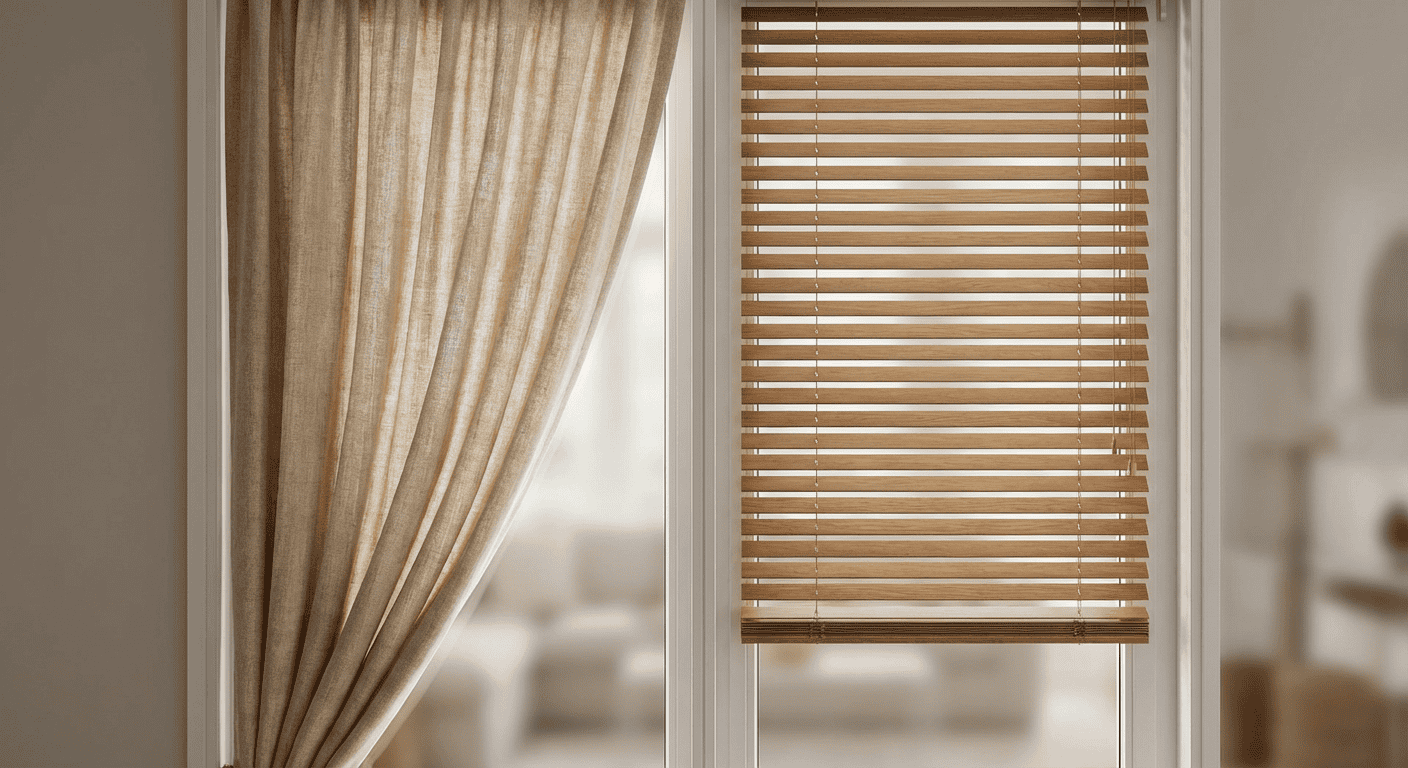
Choosing Between Curtains or Window Blinds
Deciding between curtains or window blinds is a fundamental step in styling your home, and understanding the core differences can significantly impact your choice. Both offer distinct advantages for light control, privacy, and aesthetic appeal, making the decision a crucial one for homeowners seeking the perfect balance of form and function.
This guide will explore the nuances of curtains versus window blinds, helping you navigate the options to find the best fit for your specific needs and interior design vision. We’ll delve into their unique characteristics and how they can enhance different rooms within your house.
Ultimately, the best choice between curtains or window blinds depends on your priorities, whether that’s the soft texture and decorative flair of curtains or the sleek, practical control offered by blinds. Our team is here to help you understand which window treatment will best suit your lifestyle and home, and for a deeper dive into blind types, explore our blinds vs shades guide for more.
What Are Curtains and Window Blinds?
Understanding the fundamental nature of both curtains and window blinds is the first step in making an informed decision for your home. While both serve the primary purpose of covering windows for privacy, light control, and aesthetic enhancement, they achieve these goals through distinct designs and functionalities. This section will define each and lay the groundwork for a deeper comparison. For instance, you can learn about roller shutters versus traditional blinds to understand one specific type of window covering.
Curtains are typically made from fabric and are hung from a rod or track, often draping from the top of the window to the floor. They offer a soft, versatile look and can be chosen in a wide array of materials, colors, and patterns to complement interior design schemes. Window blinds, on the other hand, are rigid window treatments, usually made from slats or solid material, that can be adjusted to control light and privacy. For a comprehensive overview of different blind types, check out our window blinds guide for more.
The core difference lies in their construction and operation. Curtains rely on fabric panels that can be drawn open or closed, providing a more decorative and often insulating layer. Window blinds, such as Venetian, roller, or Roman blinds, use mechanisms to raise, lower, or tilt slats, offering precise control over light entry and a cleaner, more structured appearance. Understanding the various blind opener types, including corded and cordless options, is also key to selecting the best fit for your needs.
Key Differences: Curtains vs. Window Blinds
Understanding the fundamental distinctions between curtains and window blinds is crucial for making an informed decision. While both serve the primary purpose of covering windows, their construction, operation, and aesthetic contributions vary significantly. These differences impact everything from light control and privacy to installation and maintenance. For a deeper dive into specific blind types, explore our guide to roller blinds to choose the right window treatment.
The choice between curtains or window blinds often comes down to a blend of functional needs and design preferences. Each option offers a unique set of characteristics that can enhance or detract from a room’s overall atmosphere and usability. Recognizing these core differences will guide you toward the most suitable window treatment for your home.
- Materials: Curtains are typically made from fabric, ranging from sheer voiles to heavy, insulating velvets. Window blinds, on the other hand, are constructed from rigid materials like vinyl, wood, faux wood, aluminum, or fabric slats/cells.
- Installation: Curtains require a curtain rod or track system, often mounted above the window frame. Blinds are usually installed directly within or on the window frame itself, sometimes requiring more precise measurements and mounting hardware.
- Operation: Curtains are generally opened and closed by drawing them along their rod or track, either manually or with a cord. Blinds offer more varied operation, including tilting slats for light control, raising and lowering the entire unit, or using motorized systems.
- Aesthetic Impact: Curtains add softness, texture, and color to a room, contributing a more decorative and often dramatic effect. Blinds tend to offer a cleaner, more minimalist look, with styles like Venetian or roller blinds providing sleek lines and precise light management.
- Light Control: While both can filter light, blinds often provide more precise control through adjustable slats or the ability to completely block light with blackout options. Curtains offer control through fabric opacity and layering, with heavier fabrics providing better room darkening.
Benefits of Choosing Curtains
Curtains can offer a softer, more traditional aesthetic compared to the clean lines of blinds, and they come in a vast array of fabrics and patterns to personalize your decor with custom window blinds.
Curtains offer a unique aesthetic and functional appeal that blinds cannot replicate. Their ability to soften a room, add depth with texture and color, and create a more dramatic visual impact makes them a preferred choice for many homeowners. Additionally, curtains provide excellent light control through fabric choices and layering, contributing to a more comfortable and personalized living space.
For those interested in exploring different window treatment options, understanding the benefits of each type is crucial. For instance, if you’re considering automated solutions, learning about smart home window automation can offer insights into modern convenience and control.
Curtains can significantly enhance the ambiance of a room, offering a softer aesthetic compared to the often more structured appearance of blinds. For a comprehensive look at different window treatments and their advantages, explore our Blindeco Blog for detailed guides and comparisons.Curtains can offer a softer aesthetic and contribute to a more decorative and dramatic effect in a room, adding warmth and texture. For more information on window treatments, explore our drapery and curtains options.
Curtains offer a unique aesthetic and functional advantages, such as adding warmth and texture to a room. For those interested in the operational aspects of window treatments, understanding different blind opener types can help in making an informed decision.
Curtains offer a distinct advantage in their ability to add warmth, texture, and a significant decorative element to any room. They can dramatically alter the mood and style of a space, transforming it from plain to plush with the right fabric and design. Our team understands that curtains are not just functional; they are a key component of interior design, allowing for personalization and flair. For guidance on how to properly hang them, check out our pro guide to perfect placement for more.
One of the primary benefits of curtains is their decorative potential. Available in an endless array of fabrics, colors, patterns, and lengths, curtains can be chosen to complement or contrast with existing decor. They can soften a room, add a pop of color, or create a sense of luxury. This versatility makes curtains an excellent choice for those looking to express their personal style through their home furnishings.
Beyond aesthetics, curtains provide effective light-filtering capabilities. Depending on the fabric chosen, they can diffuse harsh sunlight, create a cozy ambiance, or offer complete blackout for optimal sleeping conditions. This ability to control the light entering a room contributes significantly to comfort and energy efficiency, as they can help regulate room temperature by blocking out excessive heat or cold. Investing in quality curtains can therefore lead to a more comfortable and cost-effective living environment.
Curtains also offer notable insulation properties, contributing to both energy efficiency and sound absorption. Thick, layered fabrics can act as a barrier against heat loss in winter and heat gain in summer, potentially reducing energy bills. Furthermore, the fabric of curtains can help to dampen external noise, creating a quieter and more serene indoor atmosphere. This dual benefit of thermal regulation and acoustic control makes curtains a practical choice for many homes. For alternative light control solutions, consider exploring blinds versus shades for more.
Advantages of Window Blinds
Window blinds offer a distinct set of advantages that make them a popular choice for many homeowners. They are renowned for their precise control over light and privacy, allowing you to adjust the ambiance of a room with great accuracy. This level of control is often more refined than what curtains can provide, making blinds ideal for specific functional needs.
One of the primary benefits of window blinds is their ability to offer superior light management. Whether you need to block out harsh sunlight completely or allow just a sliver of natural light to enter, blinds can be adjusted to meet your exact requirements. This makes them particularly useful in bedrooms for sleep or in living areas where glare can be an issue.
Privacy is another key advantage. Most types of blinds can be tilted or lowered to obscure the view from the outside without completely darkening the room. This provides a good balance between maintaining privacy and enjoying natural light, a feature that is highly valued in homes, especially those situated in busy neighborhoods or with windows facing public areas. For a deeper dive into different types of blinds and their functionalities, consider exploring our blinds vs shades guide to understand your options.
Beyond functionality, window blinds often contribute to a clean, modern aesthetic. They can lend a sleek and minimalist look to a room, complementing contemporary interior design styles. The variety of materials and designs available also means that blinds can be tailored to fit a wide range of decor preferences, from classic to ultra-modern. The exact nature of these benefits can vary significantly depending on the specific type of blind chosen, such as roller blinds, Venetian blinds, or Roman shades. For instance, roller blinds versus Roman shades offer distinct aesthetic and functional differences.
| Blind Type | Key Advantages |
|---|---|
| Roller Blinds | Simplicity, sleek design, excellent for blackout or light filtering, easy to operate. |
| Venetian Blinds | Precise light and privacy control via slat adjustment, available in various materials (wood, faux wood, aluminum). |
| Vertical Blinds | Ideal for large windows and sliding doors, offer good light and privacy control, easy to clean. |
| Roman Shades | Offer a softer look than other blinds, available in many fabrics, provide good insulation and light control. |
| Cellular/Honeycomb Shades | Excellent energy efficiency due to their unique structure, good light filtering and sound dampening capabilities. |
The durability of window blinds is also a significant factor. Many blinds are constructed from robust materials that can withstand daily use and environmental factors, often outlasting fabric curtains in high-traffic or moisture-prone areas. This longevity makes them a cost-effective solution in the long run. Choosing the right window treatments is a decision that impacts both the look and feel of your home, and understanding the advantages of blinds is a crucial step in this process.
Factors to Consider: Curtains or Window Blinds
Deciding between curtains or window blinds involves evaluating several key factors that will impact both the functionality and aesthetic of your space. Each window treatment offers unique advantages, and understanding these differences in relation to your specific needs is crucial for making the best choice. Consider your priorities regarding privacy, light control, the overall style you wish to achieve, your budget, and the ease of maintenance required. For advanced control, explore options like the Hunter Douglas PowerView system for smart automation.
Privacy Needs Assessment
When considering privacy, think about the level of seclusion you require for each room. For example, bedrooms and bathrooms typically need more privacy than living areas. Some blinds offer adjustable slats that allow you to control light while maintaining a degree of privacy, such as zebra blinds, which provide versatile light management.
Your privacy requirements are a primary consideration when choosing between curtains or window blinds. Some rooms may demand complete seclusion, while others might only need a moderate level of privacy. Different types of blinds, such as cellular shades or Roman blinds, can offer excellent privacy without completely blocking natural light. Curtains, especially those made from heavier, opaque fabrics, can also provide a high degree of privacy and a softer visual effect.
Light Control Requirements
The amount and type of light you want to control in a room will significantly influence your decision. If you need precise control over light entry, such as in a home theater or a bedroom where you prefer to block out morning sun, blinds often offer more flexibility. Many types of blinds can be tilted or adjusted to filter light subtly. Curtains, on the other hand, can be layered for different light-filtering effects, from sheer panels to blackout linings, providing versatility for various times of day. When comparing brands, consider the differences between options like Hunter Douglas vs Alta window treatments to find the best fit for your needs.
Style Integration and Room Aesthetics
The aesthetic of your room is a crucial factor. While curtains can add a soft, luxurious feel and come in a vast array of fabrics and patterns, blinds offer a more structured and modern look. For instance, roller blinds and Roman shades provide clean lines and can complement various decor styles, from minimalist to contemporary. The choice often comes down to personal preference and the overall design vision for your space.
Both curtains and window blinds contribute significantly to a room’s overall style and aesthetic. Blinds often lend a cleaner, more modern look, fitting well into contemporary or minimalist designs. Materials like faux wood or sleek blackout roller shades can complement a sophisticated interior, offering excellent light control. Curtains, with their varied fabrics, patterns, and textures, can introduce softness, warmth, and decorative flair, making them ideal for traditional, bohemian, or more eclectic decor styles. The choice should align with your existing interior design theme.
Budgetary Considerations
The cost is a practical factor for any home improvement project, and window treatments are no exception. Generally, basic window blinds can be more budget-friendly than custom-made curtains, especially for large windows. However, the price range for both options can vary widely based on materials, features, and brand. It’s important to research the cost associated with different types of blinds, such as the modern light control offered by zebra blinds, and curtain fabrics to find a solution that fits within your financial plan.
Maintenance and Durability
Window treatments require varying levels of upkeep. Blinds, particularly those made from materials like vinyl or aluminum, are often easier to clean with a simple wipe-down. Fabric curtains, on the other hand, may require professional cleaning or specific washing instructions to maintain their appearance and prevent damage. Understanding the cleaning requirements for each type can help you choose a window treatment that suits your lifestyle and maintenance preferences, such as exploring how to clean fabric window coverings effectively.
The ease of maintenance and long-term durability are important aspects to consider, particularly for high-traffic areas or rooms prone to moisture, like kitchens and bathrooms. Blinds, especially those made from vinyl or faux wood, are typically easier to clean and more resistant to humidity and stains. Curtains, while offering insulation and sound absorption, may require more involved cleaning processes such as dry cleaning or machine washing, and certain fabrics can be more susceptible to wear and tear over time. For instance, understanding how to clean fabric window coverings can help extend their lifespan.
How to Choose the Right Window Treatments
Selecting the ideal window treatments involves a thoughtful process that balances aesthetics with functionality. By systematically evaluating your needs and preferences, you can make an informed decision that enhances your home’s comfort and style. This guide offers a step-by-step approach to help you navigate the choices between curtains and window blinds.
Assess Your Privacy Needs: Determine how much privacy each window requires. For rooms that face busy streets or neighbors, you’ll need options that offer complete blockage, whereas a seldom-used guest room might benefit from less opaque treatments.
Evaluate Light Control Requirements: Consider how much natural light you want to let in and at what times of day. Rooms that need to be darkened for sleep, like bedrooms, will benefit from blackout capabilities, while living areas might prefer adjustable light filtering.
Define Your Style and Aesthetic: Think about the overall decor of your room. Are you aiming for a soft, layered look, or a clean, minimalist design? Curtains often add warmth and texture, while blinds can offer a more structured and modern appearance.
Consider Room Functionality: Different rooms have different needs. Kitchens and bathrooms, for example, are prone to moisture and require treatments that are easy to clean and resistant to humidity. High-traffic areas might benefit from durable, easy-to-operate options.
Set Your Budget: Window treatments can vary significantly in price. Establish a budget early on to narrow down your options and avoid overspending. Remember to factor in potential installation costs.
Research Maintenance and Durability: Think about how much time and effort you are willing to put into cleaning and maintaining your window treatments. Some materials are more prone to dust and require regular cleaning, while others are wipe-clean.
Explore Material and Fabric Options: For curtains, consider fabrics like linen, velvet, or cotton, each offering different levels of light blockage and insulation. For blinds, materials range from durable vinyl and aluminum to natural wood or faux wood.
Consult Professional Advice: If you’re still uncertain, seeking advice from interior designers or window treatment specialists can provide valuable insights tailored to your specific situation. They can help you understand the nuances of different curtains or window blinds and their suitability for your home.
Style and Aesthetic Considerations
The choice between curtains and window blinds significantly impacts your home’s interior design and overall aesthetic. Curtains offer a softer, more traditional feel, introducing texture, color, and pattern to a room. They can create a sense of grandeur or coziness, depending on the fabric and style. Blinds, on the other hand, tend to provide a cleaner, more modern look, emphasizing sleek lines and functionality.
When considering style, think about the existing decor of your space. For a classic or bohemian vibe, flowing curtains in rich fabrics or vibrant prints can be an excellent choice. They can soften hard architectural lines and add a touch of elegance or warmth. Blinds, such as faux wood or sleek roller shades, are often preferred in contemporary, minimalist, or Scandinavian interiors where a streamlined appearance is desired. For a comprehensive overview of different blind options, explore our blinds vs shades guide to help you choose.
The functionality of window treatments also plays a role in their aesthetic appeal. Blinds offer precise control over light and privacy, which can be crucial in modern living spaces. Curtains, while also providing privacy, are often chosen for their decorative qualities and ability to enhance the ambiance of a room. Exploring the various options available can help you achieve the desired look and feel for your home.
Here are some ways curtains and window blinds contribute to different design styles:
- Modern & Contemporary: Sleek roller blinds, Roman shades, or minimalist Venetian blinds often complement modern interiors. They offer clean lines and a less cluttered appearance.
- Traditional & Classic: Drapes and curtains in luxurious fabrics like velvet or silk, or those with intricate patterns, enhance traditional spaces. Valances or elaborate pleats can add a classic touch.
- Farmhouse & Rustic: Linen curtains, simple cafe curtains, or wooden blinds evoke a cozy, rustic feel. Natural textures and muted colors work well in these styles.
- Bohemian: Layered curtains, macrame hangings, or richly patterned fabrics contribute to a bohemian aesthetic.
For modern and contemporary spaces, consider the clean lines of roller blinds, which offer a sleek and uncluttered look.
Ultimately, the best choice depends on balancing your aesthetic preferences with practical needs. Some homeowners even opt for a combination of both, using blinds for light control and privacy, and layering curtains for added style and insulation. This approach offers maximum flexibility in both function and design, allowing you to adapt your window treatments to suit various moods and times of day.
Maintenance and Durability
When deciding between curtains or window blinds, their maintenance needs and long-term durability are crucial factors to consider. Both options offer distinct advantages and require different levels of care to keep them looking their best and functioning properly.
Curtains, particularly those made from delicate fabrics, often require more specialized cleaning. They can accumulate dust, allergens, and stains over time, necessitating regular washing or professional dry cleaning. For guidance on keeping fabric treatments pristine, you can explore how to clean fabric window coverings. This can be a significant consideration for homeowners who prefer low-maintenance solutions or have pets and children.
Window blinds, on the other hand, tend to be easier to maintain. Most blinds can be wiped down with a damp cloth or vacuumed with a brush attachment. Materials like vinyl or aluminum are particularly resistant to moisture and easy to clean, making them suitable for high-humidity areas like kitchens and bathrooms. If a specific issue arises, learning about roller blind repair can help extend their lifespan.
Comparing Maintenance Routines
The cleaning process for curtains varies greatly depending on the fabric. For washable materials like cotton or linen, machine washing on a gentle cycle and air drying or low-heat tumbling can suffice. However, heavier fabrics like velvet or silk often require professional cleaning to prevent damage or shrinkage. Regular dusting and vacuuming are also essential to prevent dirt buildup and prolong their lifespan.
Maintaining blinds typically involves a more straightforward approach. For horizontal blinds, a simple wipe-down with a microfiber cloth or a duster can remove surface dust. For deeper cleaning, a damp cloth with mild soap and water can be used, followed by thorough drying. Vertical blinds can be cleaned similarly, with careful attention paid to the individual slats. For more detailed instructions on cleaning various window treatments, consult our guide on how to clean fabric window coverings effectively.
Durability Factors
The durability of curtains depends heavily on the quality of the fabric and the hardware used for hanging. High-quality fabrics, when properly maintained, can last for many years. However, exposure to direct sunlight can cause fading over time, and repeated washing can lead to wear and tear. The curtain rods and rings also need to be sturdy enough to support the weight of the fabric without bending or breaking. For guidance on hanging curtains, check out our pro guide to perfect placement.
Window blinds are generally considered very durable, especially those made from robust materials like faux wood, aluminum, or sturdy vinyl. These materials are resistant to warping, fading, and moisture, making them a long-lasting choice for various home environments. The operational mechanisms, such as cords or wands, are designed for repeated use, though they may require occasional adjustments or repairs over many years.
Choosing between curtains or window blinds based on maintenance and durability means assessing your lifestyle and preferences. If you prioritize ease of care and long-term resilience, blinds might be the more practical option. If you appreciate the aesthetic appeal and are willing to invest the time and effort into their upkeep, curtains can be a beautiful and lasting choice for your home.
Making Your Final Decision
For those seeking effortless operation and modern convenience, exploring motorized blind options can significantly enhance your home’s functionality and style.
Deciding between curtains or window blinds involves weighing your personal priorities for style, functionality, and budget. Both offer unique benefits, and the best choice ultimately depends on your specific needs and the atmosphere you wish to create in your home. Consider the insights gathered throughout this guide to confidently select the window treatments that will best serve your household.
To make your final decision, systematically review the key aspects of each option: for instance, understanding the differences between blinds and shades can help clarify which category aligns best with your home’s aesthetic and practical requirements.
- Light Control: Assess how precisely you need to manage natural light. Blinds offer granular control, while curtains provide broader diffusion or blackout capabilities.
- Privacy Needs: Determine the level of privacy required for each room. Both curtains and blinds can offer excellent privacy, but the method of achieving it differs.
- Aesthetic Goals: Think about the overall style you want to achieve. Curtains often add softness and texture, while blinds can lend a cleaner, more modern look.
- Room Functionality: Consider the specific use of each room. Kitchens and bathrooms might benefit from moisture-resistant blinds, while bedrooms may prioritize blackout curtains for better sleep.
- Maintenance and Durability: Evaluate how much time and effort you are willing to dedicate to cleaning and upkeep. Some blind materials are easier to clean than certain curtain fabrics, and you can learn how to clean fabric window coverings for a fresh start.
- Budget Considerations: Compare the cost implications. While initial costs can vary, consider the long-term value and durability of your chosen window treatments.
By thoughtfully considering these points, you can move closer to a definitive choice. For instance, if a sleek, minimalist aesthetic and precise light adjustment are paramount in your living room, modern blinds might be the ideal solution. Conversely, if you aim to create a cozy, inviting ambiance in your bedroom with enhanced insulation, luxurious curtains could be the perfect fit.
Ultimately, the most effective window treatments are those that align with your lifestyle and design vision. Whether you lean towards the versatility of curtains or the functional elegance of blinds, the goal is to enhance your home’s comfort, beauty, and practicality. We encourage you to explore various options and trust your instincts to find the perfect match for every window.
Final Thoughts on Curtains or Window Blinds
For those seeking ultimate light control and a modern aesthetic, exploring blackout roller shades can provide a significant upgrade for better sleep and room darkening.
Choosing between curtains or window blinds ultimately depends on your unique needs for style, functionality, and budget. Both options offer distinct advantages that can enhance the comfort and aesthetic of your home. By carefully considering factors such as light control, privacy, insulation, and design, you can confidently select the window treatments that best suit your living space. For instance, if precise light control is a priority, exploring roller blinds versus Roman shades can help you decide.
Whether you opt for the soft elegance of curtains or the precise control of blinds, the right choice will contribute significantly to your home’s overall ambiance and energy efficiency. Remember to assess your priorities for each room to make the most informed decision for your home.