
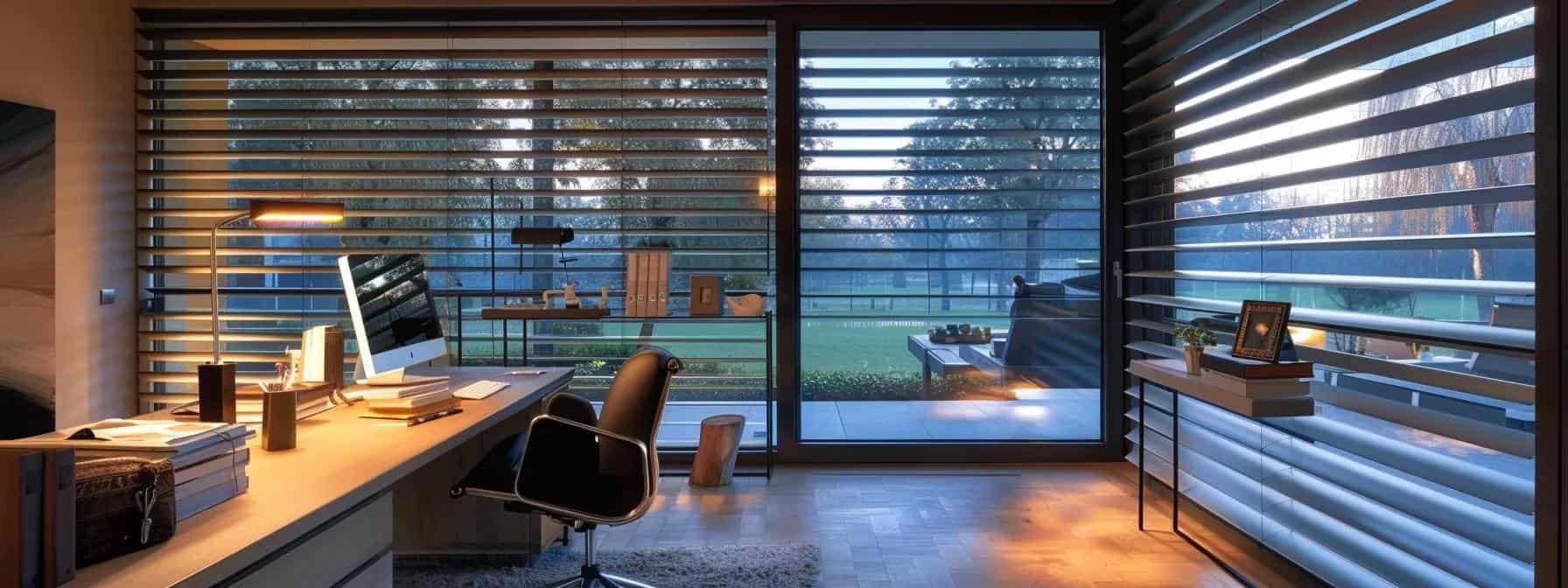
Motorized Blinds Explained
Motorized blinds explained reveals a world of enhanced convenience and modern living. These sophisticated window coverings utilize electric motors to automate their operation, allowing you to open, close, or adjust them with ease. They represent a significant upgrade from traditional manual blinds, integrating seamlessly into the smart homes of today.
Blindeco custom-makes, installs and repairs motorized & smart blinds across Toronto and the GTA. We install motorized blinds you control by remote, app, schedule or voice.
The core function of motorized blinds is their ability to transform manual window treatments into automated systems. This automation is typically controlled via remote, wall switch, or even through smart home apps on your smartphone or tablet. This technological advancement brings a new level of comfort and efficiency to managing natural light and privacy in your home.
Understanding motorized blinds explained means appreciating their growing importance in contemporary interior design and home automation. They offer a blend of style, functionality, and cutting-edge technology that appeals to homeowners seeking both luxury and practicality. Their integration into smart home ecosystems further amplifies their value, creating a more connected and responsive living environment. Explore different blind opener types for your home.
What Are Motorized Blinds?
Motorized blinds are a modern window treatment solution that uses an electric motor to automate the opening, closing, and adjustment of blinds or shades. Instead of manual cords or wands, these blinds are controlled electronically, offering a significant upgrade in convenience and functionality for any home. Understanding what motorized blinds explained means is the first step towards appreciating their role in contemporary living spaces.
At their core, motorized blinds are designed to simplify the operation of window coverings. This automation allows users to control their blinds through various methods, including remote controls, wall switches, or even through integrated smart home systems. This technology not only adds a touch of luxury but also enhances accessibility for individuals with mobility challenges. For more on smart home integration, explore our guide to smart home window automation for more.
- Automated Operation: Eliminates the need for manual adjustments.
- Enhanced Convenience: Control blinds from anywhere in the room or even remotely.
- Improved Accessibility: Ideal for individuals with physical limitations.
- Modern Aesthetics: Contributes to a sleek and uncluttered interior design.
How Do Motorized Blinds Work?
Motorized blinds operate using an electric motor discreetly housed within the headrail or roller tube of the window covering. This motor is the core component that translates commands into physical movement, allowing the blinds to open, close, or adjust their slats. This sophisticated mechanism removes the need for manual cords or wands, offering a cleaner look and enhanced functionality. For more on different types of blind openers, explore our guide to blind opener types for more.

The operation of motorized blinds relies on a system of interconnected parts working in harmony. Understanding these components helps demystify how these smart window treatments function to provide convenience and automation in your home. The primary goal is to offer effortless control over natural light and privacy.
- Motor: The central electric motor, typically quiet and compact, is responsible for driving the mechanism that raises, lowers, or tilts the blinds.
- Power Source: This can be a rechargeable battery pack, a plug-in adapter connected to a standard outlet, or integrated wiring for a more permanent setup.
- Remote Control: A dedicated remote transmitter sends wireless signals to the motor, initiating the desired blind movement.
- Smart Hub/App (Optional): For smart home integration, motorized blinds can connect to a central hub or be controlled via a smartphone app, enabling scheduling and voice commands.
- Limit Settings: Users can set specific open and closed positions for the blinds, ensuring they stop at the desired points.
These components work together to create a seamless experience for the user. For example, a user can press a button on their remote, which sends a signal to the motor. The motor then engages the internal gears to move the blinds to the pre-set limit or until another command is given. This technology significantly enhances accessibility and comfort, and you can learn more about smart home window automation for effortless control.
The power source for motorized blinds is a critical aspect of their operation. Options range from battery-powered systems, which are easy to install and ideal for homes without nearby outlets, to hardwired solutions for a cleaner, more permanent aesthetic. Rechargeable battery packs offer a balance between convenience and sustainability, reducing the need for frequent battery replacements.
Key Benefits of Motorized Blinds
Motorized blinds offer a significant upgrade in home comfort and functionality. The primary advantage is the unparalleled convenience they provide, allowing for effortless control of natural light and privacy. Imagine adjusting all your window coverings simultaneously with a single command or setting them to operate on a schedule, even when you’re not home.
Beyond convenience, motorized blinds contribute to enhanced home security and energy efficiency. When programmed to open and close at specific times, they can simulate occupancy, deterring potential intruders. Furthermore, by precisely managing sunlight, they help regulate indoor temperatures, reducing reliance on air conditioning in the summer and retaining heat in the winter. After installing hundreds of systems in local homes, our team has found that the convenience of motorized window coverings is a game-changer for busy families.
The lifestyle enhancements are also considerable. For those with mobility challenges, motorized blinds offer a practical solution, eliminating the need for manual operation. They also create a sleeker, more modern aesthetic by removing visible cords and wands. This seamless integration into a smart home ecosystem further elevates the user experience, making everyday living more streamlined and sophisticated. Exploring the latest trends in window treatments can help homeowners envision how motorized options fit into their decor, such as those discussed in our guide to window blind trends for more.
| Pros | Cons |
|---|---|
| Enhanced convenience and ease of use | Higher initial cost compared to manual blinds |
| Improved home security through automation | Dependence on power source (battery or wired) |
| Better energy efficiency and temperature control | Potential need for professional installation |
| Sleeker, cordless aesthetic | Complexity in integration with older smart home systems |
| Ideal for hard-to-reach windows | Requires occasional maintenance or battery replacement |
Types and Styles of Motorized Blinds
Motorized blinds are no longer a one-size-fits-all solution; they now come in a vast array of styles and types to suit every aesthetic and functional need. From classic roller shades to sophisticated Roman blinds, the convenience of motorized operation can be integrated into virtually any window treatment design. Exploring these options helps homeowners visualize how smart technology can enhance their living spaces. For instance, understanding the differences between Roman shades vs. cellular options can guide your choice.

Motorized Roller and Solar Shades
Motorized roller shades are a popular choice for their sleek, minimalist design and ease of operation. They can be customized with a variety of fabrics, from light-filtering options that soften harsh sunlight to blackout materials perfect for bedrooms. Solar shades, a subset of roller shades, are specifically designed to reduce glare and UV rays while maintaining visibility to the outside, making them ideal for offices or living areas with significant sun exposure. The motorized aspect allows for precise positioning, ensuring optimal light control and energy efficiency, especially when integrated with systems like Hunter Douglas PowerView automation for more.
Automated Roman Blinds
Automated Roman blinds offer a touch of elegance and softness, combining the classic look of Roman shades with the convenience of motorization. These blinds are constructed from fabric panels that fold up neatly when raised, creating a sophisticated layered effect. They are an excellent choice for formal living rooms, dining rooms, or bedrooms where a refined aesthetic is desired. For a deeper dive into the differences and benefits, you can compare Roman shades versus cellular options.
For those seeking a more elegant and traditional look, motorized Roman blinds offer the perfect blend of style and automation. These blinds feature soft fabric folds that create a sophisticated appearance when raised. The motorization ensures smooth and even lifting, preventing the fabric from becoming unevenly distributed, which can sometimes be an issue with manual operation. This makes them an excellent choice for formal living rooms or dining areas where aesthetics are paramount. For a comparison of styles, consider Roman shades vs. cellular options.
Motorized Cellular and Honeycomb Shades
Motorized cellular or honeycomb shades are celebrated for their exceptional insulating properties. Their unique structure creates air pockets that help regulate indoor temperatures, reducing heating and cooling costs. The motorized function allows for easy adjustment of these energy-saving treatments, especially in hard-to-reach windows or for those who prioritize environmental benefits alongside modern convenience. If you’re weighing options, understanding the differences between brands like Hunter Douglas and Alta can help you make an informed decision about which window treatment is best. These are a smart addition for any homeowner looking to improve their home’s energy efficiency.
Motorized Blinds Cost: What to Expect
Understanding the investment required for motorized blinds is crucial for homeowners considering this upgrade. The cost of motorized blinds can vary significantly based on several factors, including the type of blind, the motorization technology used, and any additional smart home features. While they represent a higher upfront cost compared to traditional manual blinds, the long-term benefits often justify the expenditure.
The price point for motorized blinds is influenced by the complexity of the mechanism, the brand of the motor, and the fabric or material of the blind itself. Basic motorized roller shades will generally be more affordable than elaborate motorized Roman shades or cellular shades with advanced smart home integration. When budgeting, it’s also important to consider the potential savings in energy costs over time, which can help offset the initial investment. For example, exploring smart home window automation can provide further insights into integrated control options.
| Type of Motorized Blind | Estimated Cost Range (USD) | Key Features |
|---|---|---|
| Motorized Roller Shades | $200 – $600+ per window | Simple operation, various fabric options, basic remote or app control. |
| Motorized Roman Shades | $300 – $800+ per window | Elegant folding design, premium fabrics, remote or smart home integration. |
| Motorized Cellular/Honeycomb Shades | $350 – $700+ per window | Energy efficiency, insulation, sleek appearance, available with battery or wired power. |
| Motorized Wood/Faux Wood Blinds | $400 – $900+ per window | Natural look, durability, tilt and lift control via motor. |
| Smart Home Integration Upgrade | +$100 – $300+ per window | Voice control, scheduling, integration with systems like Alexa or Google Home. |
When comparing costs, consider the power source for the motor. Battery-powered options are often easier to install and more budget-friendly for smaller applications, but may require battery replacements. Wired or plug-in motors offer continuous power and are ideal for larger or more frequently used blinds, though they may involve more complex installation. For more details on different power options, explore our guide to blind opener types.
The decision to invest in motorized blinds should also take into account the enhanced convenience and accessibility they offer. For individuals with mobility challenges or those simply seeking a more streamlined home environment, the ease of control can be invaluable. The technology is constantly evolving, making these smart window treatments an increasingly accessible and desirable home improvement.
Thinking about motorized blinds?
Blindeco installs motorized and smart blinds across Toronto & the GTA — book a free in-home consultation.
Choosing the Right Motorized Blinds
Selecting the ideal motorized blinds involves carefully considering several factors to ensure they meet your specific needs and enhance your home. Understanding these elements will guide you toward a smart and satisfying purchase that blends functionality with style. Let our team help you navigate the options to find the perfect fit for every window in your home.
To make an informed decision when selecting motorized blinds, consider the following key aspects. These points will help you narrow down your choices and ensure your new window treatments are both practical and aesthetically pleasing for your space. For instance, exploring smart home window automation can provide valuable insights into system compatibility and integration.
Assess Your Window Specifications: Measure your windows accurately, noting their size, shape, and any unique architectural features. Motorized blinds can be customized to fit virtually any window, but precise measurements are crucial for a seamless installation and optimal operation. Learn more about how to measure window blinds for a perfect fit.
Determine Light Control and Privacy Needs: Consider how much natural light you want to allow into the room and your privacy requirements. Options range from sheer fabrics that diffuse light to blackout materials that offer complete darkness and privacy.
Identify the Room Type and Function: Think about the purpose of the room where the blinds will be installed. For example, a home office might benefit from blinds that minimize glare, while a bedroom may require maximum light blockage for better sleep.
Evaluate Power Source Options: Motorized blinds can be powered by rechargeable batteries, hardwired electrical connections, or solar power. Consider the accessibility of power outlets near your windows and your preference for maintenance.
Consider Smart Home Integration and Control: Decide how you want to control your motorized blinds. Options include remote controls, smartphone apps, voice commands through smart assistants (like Alexa or Google Assistant), or integration into a larger smart home system.
Set Your Budget: Motorized blinds can vary significantly in price based on features, size, and brand. Determine your budget early in the process to help narrow down your choices and avoid exceeding your spending limits.
Explore Style and Fabric Options: Motorized blinds come in a wide array of styles, including roller shades, Roman shades, cellular shades, and Venetian blinds. Choose a style and fabric that complements your existing decor and desired aesthetic. For a unique look, consider exploring modern zebra blinds for your windows.
By carefully evaluating these factors, you can confidently choose motorized blinds that not only automate your window coverings but also enhance the comfort, convenience, and overall appeal of your living space. Investing a little extra time in the selection process ensures long-term satisfaction with your smart home upgrade.
Installation and Smart Home Integration
Installing motorized blinds is a crucial step towards a more convenient and technologically integrated home. While professional installation is often recommended for a perfect fit and seamless operation, many DIY enthusiasts find the process manageable with the right guidance. Understanding the basic installation steps and the potential for smart home integration can significantly enhance the user experience.
The process of integrating motorized blinds into your smart home ecosystem allows for sophisticated control and automation. This connectivity unlocks features like voice commands, scheduled adjustments, and integration with other smart devices. Effectively linking your motorized blinds can create a truly automated and responsive living environment. Learn more about smart home window automation to maximize your home’s potential, and if you encounter any issues, consider our guide on roller blind repair.
Installation Process Overview
Installing motorized blinds typically involves a few key stages. The initial step is to carefully measure your window space to ensure the correct size of blinds is purchased. Once you have the blinds, the mounting brackets are usually the first components to be installed directly onto the window frame or wall, depending on the blind type and preference.
Following the bracket installation, the motorization unit, often integrated into the headrail of the blind, is secured to these brackets. This is followed by connecting the power source, which could be a battery pack, a rechargeable battery, or a direct hardwired connection. Finally, programming the limits for opening and closing the blinds is essential for their automated function. For more on automated options, explore our smart home window automation guide. Remember to also consider how to clean fabric window coverings to keep them looking their best.
- Measure your window dimensions accurately.
- Install mounting brackets securely to the wall or window frame.
- Attach the motorized headrail to the installed brackets.
- Connect the power source (battery or hardwired).
- Program the upper and lower limits for blind operation.
Smart Home Integration Options
Motorized blinds can be integrated into various smart home systems, offering enhanced control beyond simple remote operation. Many motorized blinds are compatible with popular smart home hubs and platforms. This allows for unified control of all your smart devices through a single app or voice assistant.
Integration can enable advanced features such as creating custom scenes (e.g., “Good Morning” scene that opens blinds and starts coffee), setting schedules based on sunrise and sunset, or controlling blinds remotely when you’re away from home. This level of automation adds significant convenience and can also contribute to energy efficiency by managing natural light and heat.
Common Integration Methods
The most common methods for integrating motorized blinds into a smart home involve Wi-Fi or radio frequency (RF) communication. Wi-Fi-enabled blinds can connect directly to your home network, allowing control via smartphone apps and compatibility with systems like Google Home or Amazon Alexa.
RF-controlled blinds typically use a dedicated remote or hub. This hub can often be integrated with smart home systems, translating commands into signals the blinds can understand. Some advanced systems also support protocols like Zigbee or Z-Wave, which are specifically designed for low-power, reliable mesh networking in smart homes. For more on smart home automation, explore our guide to smart home window automation, or learn about the differences between a roller blind and a Roman shade.
- Wi-Fi Connectivity: Direct connection to home network for app and voice control.
- Radio Frequency (RF): Utilizes remotes or hubs that can often be integrated into smart home ecosystems.
- Smart Home Hubs: Compatibility with platforms like Google Home, Amazon Alexa, and Apple HomeKit.
- Voice Control: Operate blinds using voice commands through smart assistants.
- Scheduling and Automation: Set routines for automatic opening and closing based on time or other triggers.
Ensuring your motorized blinds are correctly installed and integrated is key to unlocking their full potential. For those seeking a seamless and modern living experience, investing in professional installation and understanding the smart home connectivity options will provide the greatest benefit. This careful planning ensures your window coverings are not just functional but also a sophisticated part of your automated home.
Maintenance and Care for Motorized Blinds
Proper maintenance is key to ensuring your motorized blinds operate smoothly and last for years. Regular cleaning and occasional checks can prevent minor issues from becoming major problems. Understanding how to care for these automated window coverings will help preserve their functionality and aesthetic appeal, especially when integrating them into your smart home system, which you can learn more about through smart home window automation for more.
General Upkeep and Checks
Regularly inspect the cords, wands, and other operating mechanisms for any signs of wear or damage. For motorized blinds, ensure the remote control or smart home system is functioning correctly. If you’re interested in the technology behind automated window treatments, explore smart home window automation for effortless control.
Beyond regular cleaning, periodic checks can help maintain the smooth operation of your motorized blinds. These simple steps can help identify potential issues early and prevent more complex repairs down the line. Regular attention ensures your investment continues to provide convenience and comfort. For more information on different types of motorized options, check out our guide to motorized blind opener types.
- Check the motor: Listen for any unusual noises during operation, such as grinding or struggling. If you notice anything out of the ordinary, it’s best to contact a professional for inspection.
- Inspect the power source: Ensure any cords are neatly managed and not frayed. If your blinds are battery-powered, check the battery levels regularly and replace them as needed according to the manufacturer’s guidelines. For hardwired systems, ensure connections are secure and professional inspections are done periodically.
- Test remotes and smart controls: Make sure any remote controls or smart home integrations are functioning correctly. Replace batteries in remotes as needed and ensure your smart home hub is up-to-date.
By incorporating these maintenance practices into your routine, you can significantly extend the lifespan of your motorized blinds and ensure they continue to function flawlessly. If you encounter any issues that seem beyond simple upkeep, it is always recommended to consult the original installer or a specialized technician to properly address the problem. Understanding how these blinds work can also assist in general upkeep, as detailed in our guide on motorized blinds explained for more.
Embrace Smart Living with Motorized Blinds
Motorized blinds offer a seamless blend of convenience, technology, and style, transforming ordinary windows into intelligent features of your home. By automating your window treatments, you unlock a new level of comfort and control. This advanced technology not only simplifies daily routines but also contributes to a more energy-efficient and secure living environment. Embracing motorized blinds is a step towards a truly smart home.
The journey into smart living with automated window coverings is one that enhances both aesthetics and functionality. From precise light control to improved home security, the advantages are clear. Consider how motorized blinds can elevate your living space and integrate effortlessly with your existing smart home ecosystem, providing a sophisticated and modern upgrade. For a comprehensive overview of how these innovative solutions work, this guide on motorized blinds explained offers detailed insights.
Integrating motorized blinds into your home is more than just a technological upgrade; it’s an investment in a more comfortable, efficient, and secure lifestyle. They represent the future of home automation, offering a tangible enhancement to daily living. As technology continues to evolve, motorized blinds are at the forefront, providing sophisticated solutions for modern homeowners seeking convenience and style.
Planning a budget? See our guide to how much custom blinds cost in Toronto — typical 2026 price ranges for motorized blinds and more, with a free in-home quote.
Ready for a free in-home consultation?
Serving all of Toronto & the GTA — residential and commercial. Book online or call 437-849-4149.
We install & repair: Motorized Blinds · Roller Blinds · Talk to us