
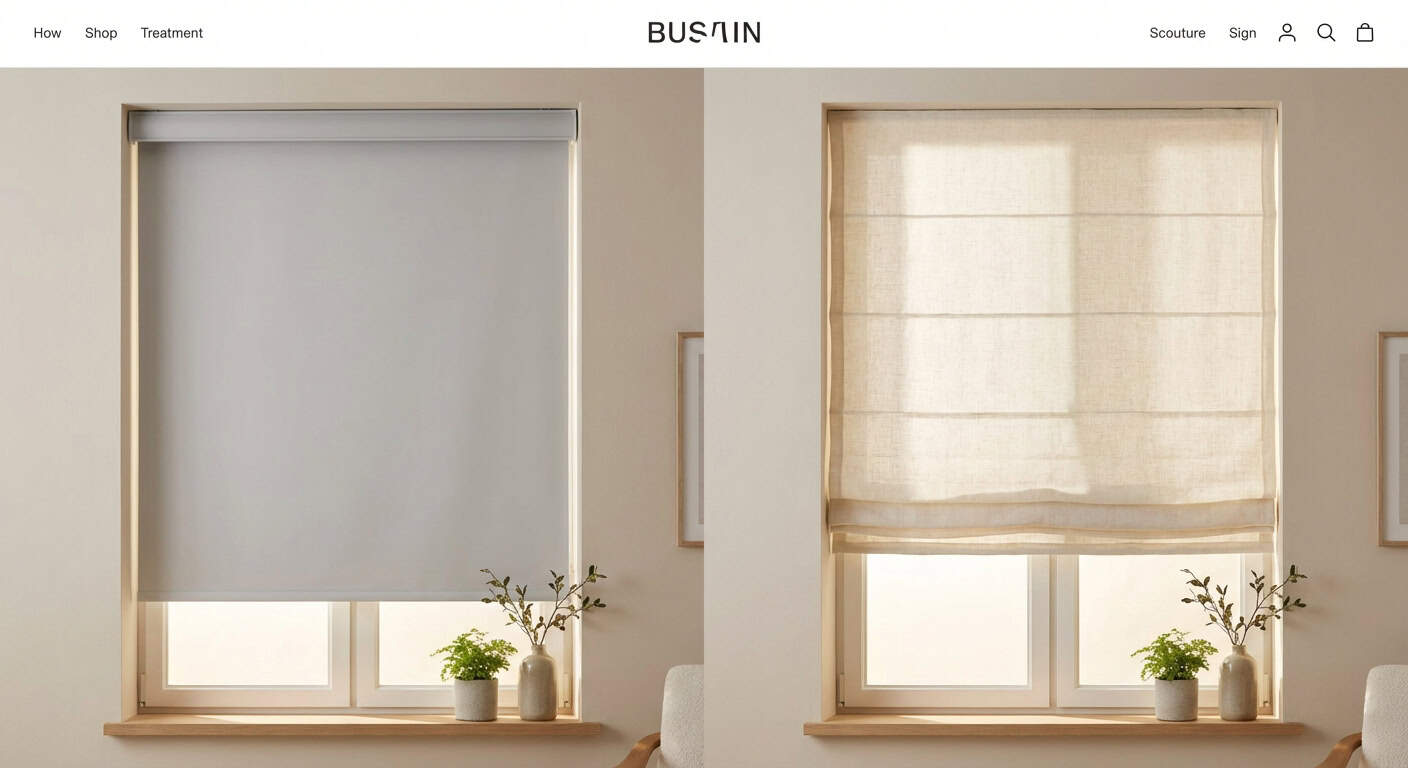
Roller Blinds vs Roman Shades: Your Guide
Deciding between a roller blind vs roman shade can significantly impact your home’s aesthetic and functionality. Both offer effective light control and privacy, but they achieve this through distinct designs and operational mechanisms. Understanding their core differences is key to selecting the window treatment that best suits your style and needs.
This comprehensive guide will delve into the characteristics of roller blinds and Roman shades, comparing their pros, cons, and suitability for various interior design schemes. Whether you prioritize modern simplicity or classic elegance, we aim to provide clarity in your choice between a roller blind vs roman shade. Consider also the different blind opener types, whether corded, cordless, or motorized, when making your selection.
By exploring the unique features of each, from their visual appeal to their practical applications, you can make an informed decision for your home. Let’s begin by understanding what sets these popular window treatments apart in the roller blind vs roman shade comparison.
What Are Roller Blinds?
Roller blinds are a popular choice for their simplicity and versatility. They consist of a single piece of fabric that rolls up and down on a tube, offering a clean and minimalist look. Their straightforward operation makes them easy to use and maintain, and they are available in a vast array of fabrics, colors, and patterns to complement any decor. For those interested in how to maintain them, learning how to clean fabric window blinds can be very beneficial.
Roller blinds are a simple yet versatile window covering. They consist of a single piece of fabric that rolls up and down on a tube. Their minimalist design makes them a popular choice for modern interiors, and they are available in a wide array of fabrics, colors, and opacities, from sheer to blackout. For those interested in energy efficiency, consider these energy efficient window coverings to help manage your home’s temperature.
Roller blinds are a popular choice for their simplicity and versatility. They consist of a single piece of fabric that rolls up and down on a tube. This makes them a great option for minimalist interiors and for situations where you need a clean, uncluttered look. For more information on different types of blinds, you can explore our zebra shades vs roller blinds guide for more.
Roller blinds are a popular choice for their simplicity and versatility. They consist of a single piece of fabric that rolls up and down on a tube. This makes them a great option for achieving a clean, minimalist look. You can find a wide variety of fabrics and opacities, from sheer to blackout, to suit your needs. For more information on different types of blinds, check out our office blinds guide for workspace solutions.
Roller blinds are a popular choice for their simplicity and versatility. They consist of a single piece of fabric that rolls up and down on a tube. This makes them a great option for a clean, minimalist look and they are often chosen for their ability to provide excellent light blockage, especially when blackout fabrics are used. For more information on different types of blinds, you can explore our guide to window blind trends for more.
Roller blinds are a popular choice for their simplicity and versatility. They consist of a single piece of fabric that rolls up and down on a tube, offering a clean and minimalist look. Their straightforward design makes them easy to operate and maintain. If you’re considering updating your window treatments, learning about window blinds benefits can help you appreciate their advantages.
Roller blinds are a simple yet effective window covering made from a single piece of fabric that rolls up and down on a tube. They offer a clean, minimalist look and are available in a wide range of materials, from sheer to blackout, making them versatile for various light control needs. For a direct comparison of different fabric opacities, explore our guide on blackout vs light filtering zebra shades for more.
Roller blinds are a popular window covering known for their simple, clean lines and ease of use. They consist of a single piece of fabric that rolls up and down on a tube, typically operated by a cord, chain, or motorized system. Their minimalist design makes them a versatile choice for various interior styles, from modern to traditional. If you’re considering roller blinds, you might also be interested in learning about how to repair a roller shade should any issues arise.
Roller blinds are a simple and versatile window covering that consists of a single piece of fabric that rolls up and down on a tube. They offer a clean, minimalist look and are available in a wide range of materials, colors, and patterns. For a direct comparison of different blind brands, you can explore our guide on Hunter Douglas vs Alta for more.
Roller blinds are a popular choice for their simplicity and versatility. They consist of a single piece of fabric that rolls up and down on a tube. This makes them a great option for a clean, minimalist look. If you’re interested in learning more about specific types of blinds, you can explore our roller shutters vs traditional blinds comparison.
Roller blinds are a simple and versatile window covering made from a single piece of fabric that rolls up and down on a tube. They offer a clean, minimalist look and are available in a wide range of fabrics, colors, and opacities, from sheer to blackout. For a sleek and modern appearance, consider our roller blinds collection.
Roller blinds are a popular choice for their clean lines and simplicity. They consist of a single piece of fabric that rolls up and down on a tube. This minimalist design makes them incredibly versatile, fitting seamlessly into a variety of decor styles, from modern to traditional. For those interested in the specific benefits of blackout options, exploring blackout roller blinds can offer enhanced light control and privacy.
Roller blinds are a straightforward and versatile window covering. They consist of a single piece of fabric that rolls up and down on a tube. This simple design makes them easy to operate, maintain, and they offer a clean, minimalist look. For those interested in the mechanics, understanding how to replace a roller blind chain can be a useful DIY skill.
Roller blinds are a popular choice for their simplicity and versatility. They consist of a single piece of fabric that rolls up and down on a tube. This makes them a great option for a clean, minimalist look. For those interested in their energy-saving potential, you can learn more about how roller shades can be energy efficient and help reduce your utility bills.
Roller blinds are a popular choice for their clean lines and simplicity. They consist of a single piece of fabric that rolls up and down on a tube. This makes them a versatile option that can fit into almost any decor style, from minimalist to more traditional. For those interested in modern upgrades, explore our guide on smart home window automation for enhanced convenience.
Roller blinds are a popular choice for their clean lines and simplicity. They consist of a single piece of fabric that rolls up and down on a tube. This makes them a versatile option for various room styles, from minimalist to more traditional. For more information on different types of blinds, check out our comprehensive window blinds guide for more.
Roller blinds are a popular window covering known for their simplicity and versatility. They consist of a single piece of fabric that rolls up and down on a tube, offering a clean and minimalist look. Their operation is straightforward, typically involving a chain mechanism or a cordless system. For those interested in the practical aspects, learning how to install a roller shade can be a rewarding DIY project.
Roller blinds are a popular window covering known for their simple, clean lines and ease of operation. They consist of a single piece of fabric that rolls up and down on a tube. This makes them a versatile choice for many different rooms and styles. For a deeper dive into their features, check out our comprehensive roller blinds guide for more.
Roller blinds are a type of window covering made from a single piece of fabric that rolls up and down on a tube. They are known for their simplicity, versatility, and ability to provide a clean, modern look. You can explore different types of roller blinds to find the perfect fit for your home.
Roller blinds are a popular and straightforward window treatment known for their clean, minimalist aesthetic. They consist of a single piece of fabric that rolls up and down on a tube mechanism, typically housed at the top of the window frame. This simplicity makes them a versatile choice for many different interior styles.
The operation of roller blinds is quite simple, usually involving a chain mechanism or a cordless system for raising and lowering the fabric. This ease of use contributes to their appeal, especially in busy households. When considering a roller blind vs roman shade, the roller blind stands out for its unadorned, functional design.
Roller blinds offer a wide range of fabric options, from sheer and light-filtering materials to blackout fabrics for complete privacy and light control. This variety allows them to be adapted to various needs, whether for softening harsh sunlight or ensuring a dark sleeping environment. The core functionality of a roller blind remains consistent across these different fabric types.
What Are Roman Shades?
Roman shades are a sophisticated window treatment known for their elegant, tailored appearance. Unlike roller blinds, which are a single piece of fabric that rolls up, Roman shades operate by folding the fabric into neat, horizontal pleats as they are raised. This creates a soft, luxurious drape that adds texture and depth to a room.
The construction of Roman shades involves horizontal fabric panels or folds that are stitched together. These panels are controlled by a cord system that runs through the back of the shade, allowing it to be pulled up smoothly and evenly. When fully lowered, they provide excellent light blocking and privacy, while when raised, they stack neatly at the top of the window, revealing the view outside. This makes them a versatile choice for various interior design styles, offering a more decorative alternative when comparing a roller blind vs roman shade.
The aesthetic appeal of Roman shades is a significant factor in their popularity. They bring a touch of classic charm and can be crafted from a wide array of fabrics, patterns, and textures, allowing for extensive customization to match any decor. This makes them an excellent option for those seeking a window treatment that functions as both practical light control and a decorative element. The distinct folded appearance when raised sets them apart from the simpler, sleeker profile of roller blinds. If you’re considering different types of shades, understanding the differences between roman vs cellular shades can help you make the best choice for your home.
Key Differences: Roller Blind vs Roman Shade
Understanding the core distinctions between roller blinds and Roman shades is crucial for making an informed decision for your home. While both offer window coverage, their operation, aesthetic, and functionality vary significantly. This comparison delves into these differences to help you determine the best fit for your needs. For those interested in advanced features, exploring smart automation options like Hunter Douglas PowerView systems can offer enhanced convenience and control.
Operation and Mechanism
The primary difference lies in how each window treatment operates. Roller blinds are designed for simplicity, rolling up and down on a tube. Roman shades, on the other hand, fold neatly into pleats as they are raised, creating a more layered and fabric-rich appearance. For more on how different window treatments operate, explore our guide to blind opener types for more.
- Roller Blinds: Feature a simple pull cord or chain mechanism, or can be motorized for automated control. They roll directly onto a tube at the top of the window.
- Roman Shades: Utilize a cord-and-pulley system to gather the fabric into horizontal folds. Some modern versions also offer motorized options.
Aesthetics and Style
When considering the visual impact, roller blinds offer a clean, minimalist look, making them ideal for modern interiors. Roman shades, with their soft folds and fabric textures, provide a more traditional, elegant, and luxurious feel, often likened to drapery. For a comprehensive comparison of popular brands, understanding the nuances between options like Hunter Douglas vs Alta can help you make an informed decision.
- Roller Blinds: Offer a sleek, unobtrusive profile that complements contemporary design. They are available in a vast array of colors and textures, including blackout and light-filtering options.
- Roman Shades: Present a softer, more decorative look. Their fabric panels and folds add texture and depth to a room, making them a statement piece.
Light Control and Privacy
Both types of window coverings offer varying degrees of light control and privacy, but their construction influences their effectiveness. Roller blinds are often chosen for their ability to provide complete blackout capabilities, while Roman shades can offer good light control with a softer diffusion. For more information on motorized options, explore our motorized blinds explained guide.
- Roller Blinds: Excellent for achieving full blackout conditions, making them suitable for bedrooms and media rooms. Light-filtering options are also available for softer ambient light.
- Roman Shades: Can be fitted with blackout linings for enhanced privacy and light blocking. However, the nature of their folds may allow some light leakage around the edges.
Fabric and Material Options
The choice of fabric significantly impacts the final look and functionality of both roller blinds and Roman shades. Roller blinds are typically made from synthetic materials or specialized fabrics, often offering excellent light control, such as with blackout roller shades, while Roman shades are often crafted from a wider range of decorative textiles.
- Roller Blinds: Available in durable materials like vinyl, polyester, and fiberglass, often treated for UV resistance and easy cleaning.
- Roman Shades: Can be made from almost any upholstery fabric, offering immense versatility in color, pattern, and texture to match existing decor.
Pros and Cons of Roller Blinds
Roller blinds offer a clean, modern aesthetic and straightforward functionality, making them a popular choice for many homeowners. When considering the roller blind vs roman shade comparison, understanding the specific advantages and disadvantages of roller blinds is crucial for making an informed decision. For more details on different types of window treatments, check out our blinds vs shades guide for more.
Their simplicity can be a significant benefit, providing a sleek look that complements contemporary decor. However, their minimalist design might not suit spaces seeking a more traditional or layered feel. Examining the pros and cons helps clarify how roller blinds fit into your overall design scheme and functional requirements, and you can explore different types of roller blinds to find the perfect match.
- Pros. Roller blinds are praised for their clean, minimalist design, which can enhance modern interiors. They are generally easy to operate, rolling up neatly into a compact tube, which minimizes visual clutter. Many roller blinds are also available with blackout or light-filtering options, offering excellent control over ambient light. Their straightforward construction often translates to a more affordable price point compared to other window treatments, making them a cost-effective solution for a roller blind vs roman shade choice.
- Cons. While their minimalist design is an advantage for some, it can be a drawback for those seeking more decorative window treatments. Roller blinds do not offer the fabric folds or texture that Roman shades provide, which can add warmth and visual interest. They can also be prone to creasing if not handled carefully, and some cheaper models may not hang perfectly straight. For rooms requiring significant insulation, roller blinds may not be as effective as fabric-based options like Roman shades.
Pros and Cons of Roman Shades
Roman shades offer a softer, more luxurious aesthetic than roller blinds. They are constructed from fabric that folds neatly when raised, creating elegant pleats. This makes them a popular choice for adding texture and depth to a room. For a detailed comparison, you can explore our Roman Shades vs. Cellular Shades guide.
Roman shades offer a sophisticated and elegant window treatment solution, bringing a touch of softness and design to any room. Their unique construction, involving fabric panels that fold neatly when raised, provides a distinct aesthetic compared to other window coverings. Understanding the advantages and disadvantages of Roman shades is crucial when considering them as part of your overall interior design, especially when comparing a roller blind vs roman shade.
The beauty of Roman shades lies in their versatility and the visual interest they create. They are well-suited for various interior styles, from classic to contemporary, and can significantly enhance the ambiance of a space. However, like any window treatment, they come with their own set of considerations regarding maintenance and functionality. For a comprehensive comparison, explore our guide on Roman Shades vs. Cellular: Which Is Right for Your Home?
| Pros | Cons |
|---|---|
|
|
When weighing your options between a roller blind vs roman shade, consider these pros and cons to ensure the chosen window treatment aligns perfectly with your home’s style, your functional needs, and your budget. The detailed fabric display and sophisticated draping of Roman shades make them a standout choice for adding character and warmth.
How to Choose: Right for Your Home?
Selecting the right window treatment involves considering several factors to ensure your choice complements your home’s style and meets your functional needs. When deciding between a roller blind and a Roman shade, think about the overall aesthetic you want to achieve and the practicalities of each option. This choice is crucial in achieving the perfect balance for your interior design.
The core of making an informed decision for your roller blind vs roman shade selection lies in a systematic evaluation of your specific requirements. By carefully considering various aspects of your home and lifestyle, you can confidently pick the window covering that best suits your needs. For a comprehensive overview of different window treatments, check out our blinds vs shades guide to help you choose.
- Assess Your Room’s Style: Consider the existing decor. Roller blinds often lend themselves to modern, minimalist, or contemporary spaces due to their sleek and clean lines. Roman shades, with their fabric folds and softer appearance, tend to fit better in traditional, classic, or bohemian interiors, adding a touch of elegance and texture.
- Determine Light Control Needs: Think about how much natural light you want to allow into the room. Roller blinds are available in various opacities, from sheer to blackout, offering precise control. Roman shades also offer different light filtering options, but their folds can sometimes allow light to filter through when closed, unless a blackout lining is specified.
- Evaluate Privacy Requirements: For areas where privacy is paramount, such as bedrooms or bathrooms, both roller blinds and Roman shades can provide adequate coverage. Blackout roller blinds offer the most complete privacy, while Roman shades with blackout lining also perform exceptionally well.
- Consider Functionality and Operation: How easy do you need the operation to be? Roller blinds typically operate with a simple pull cord or a spring-loaded mechanism, making them straightforward. Roman shades are operated by a cord system that pulls the fabric up into neat pleats. For more advanced options, explore motorized blind systems for effortless control.
- Think About Insulation and Energy Efficiency: Fabric Roman shades can offer better insulation than standard roller blinds due to the layers of fabric and their ability to create a more sealed window covering, potentially helping to regulate room temperature.
- Budgetary Constraints: Generally, roller blinds tend to be more budget-friendly than Roman shades, which involve more fabric and intricate construction. However, prices can vary significantly based on material, customization, and brand.
For instance, in a contemporary living room aiming for a clean, uncluttered look, a simple blackout roller blind might be the ideal choice for effective light and privacy control. Conversely, a bedroom decorated with rich textures and a more traditional feel could benefit from the luxurious drape and soft folds of a linen Roman shade. If you’re interested in a different modern option, consider exploring zebra blinds for windows for more.
Our team has extensive experience helping homeowners navigate these choices, ensuring that every window treatment not only looks stunning but also performs perfectly for years to come. Understanding the nuances of each option is key to a satisfying selection for your roller blind vs roman shade decision.
Style and Aesthetics: Enhancing Decor
The aesthetic contribution of window treatments is paramount in interior design. When considering the roller blind vs roman shade debate, both offer distinct visual appeals that can significantly enhance a room’s decor. Their style versatility allows them to adapt to various design schemes, from minimalist to opulent, influencing the overall ambiance and character of a space. For a deeper dive into the differences, explore our blinds vs shades guide. If your roller blinds experience wear and tear, understanding roller blind repair can help restore their functionality.
| Feature | Roller Blinds | Roman Shades |
|---|---|---|
| Design Philosophy | Sleek, minimalist, functional, and modern. They offer clean lines and a streamlined appearance, often disappearing when fully raised. | Elegant, sophisticated, and traditional, featuring fabric folds that create a soft, layered look. They add texture and visual interest even when open. |
| Fabric Options | Available in a wide range of materials, including light-filtering, blackout, and decorative prints. Often made from synthetic or polyester blends. | Can be made from almost any drapery fabric, offering vast choices in color, pattern, texture, and material. Natural fibers like linen and cotton are popular. |
| Suitability for Decor Styles | Ideal for contemporary, minimalist, Scandinavian, and modern industrial interiors. They complement spaces where a clean, uncluttered look is desired. | Perfect for traditional, classic, bohemian, and transitional interiors. They add a touch of luxury and softness, complementing rooms with a more formal or cozy feel. |
| Visual Impact | Provide a subtle and understated backdrop, allowing other decorative elements to take center stage. They are unobtrusive when not in use. | Act as a decorative element themselves, even when raised, due to their folded fabric structure. They can serve as a focal point or a luxurious finishing touch. |
Modern Minimalism with Roller Blinds
Roller blinds are a popular choice for their clean lines and versatility. For more information on the different types available, check out our guide to roller blind types.
Roller blinds excel in environments that embrace simplicity and functionality. Their unadorned design allows them to blend seamlessly into the background, making them a top choice for modern and minimalist interiors. They offer a clean, uninterrupted view when raised, and their smooth operation adds to a sense of order and calm within a room. The variety of fabrics, from sheer to blackout, ensures that even within a minimalist aesthetic, light control can be precisely managed without compromising the visual simplicity of the roller blind vs roman shade comparison. For a comprehensive understanding of different window treatments, consult our blinds vs shades guide.
- Achieve a clutter-free look that emphasizes architectural features.
- Select from a spectrum of colors and textures to match your scheme.
- Opt for blackout options for bedrooms or media rooms where light control is critical.
Timeless Elegance with Roman Shades
Roman shades bring a touch of classic sophistication and warmth to any space. The soft folds of fabric create a visually appealing texture that drapes beautifully, adding a sense of depth and richness. This makes them an excellent choice for creating a more inviting and traditional atmosphere. When considering the roller blind vs roman shade for a formal living room or a cozy bedroom, Roman shades often provide that desired layer of elegance and comfort, especially when chosen in luxurious fabrics or intricate patterns. For those interested in modern convenience, exploring smart home window automation can offer effortless control over all your window treatments.
- Enhance traditional, classic, or transitional decor styles.
- Choose from a vast array of upholstery fabrics for a custom look.
- Create a focal point with patterned or textured fabrics that add personality.
Versatility in Fabric and Function
Both roller blinds and Roman shades offer significant versatility, but in different ways. Roller blinds are known for their wide range of technical fabrics, including those with special properties like energy efficiency or enhanced UV protection, alongside decorative options. Roman shades, on the other hand, offer unparalleled aesthetic versatility through their fabric choices, allowing them to be coordinated with existing upholstery or curtains, making them a dynamic choice in the roller blind vs roman shade decision.
- Roller blinds provide a broad spectrum of functional fabrics for diverse needs.
- Roman shades offer extensive decorative fabric possibilities for personalized style.
- Both can be fitted with various operating systems, from manual cords to motorized controls, adding to their adaptability. Learn more about how motorized blinds work and their benefits.
Maintenance and Durability
When considering the longevity and upkeep of your window treatments, understanding the maintenance needs of both roller blinds and Roman shades is crucial for making an informed decision in the roller blind vs roman shade comparison. Both offer distinct advantages in terms of durability and ease of care, influencing their suitability for different household environments.
Roller blinds are generally known for their straightforward construction and robust materials, contributing to their impressive durability. Their simple design, typically a single piece of fabric that rolls onto a tube, means fewer moving parts that can break or wear out. This simplicity makes them a practical choice for high-traffic areas or households with children and pets. For more information on operating systems, explore our guide to blind opener types.
- Roller Blinds:
- Cleaning: The fabric can usually be spot-cleaned with a damp cloth and mild detergent. For deeper cleaning, some fabrics can be carefully vacuumed with a brush attachment. Always check the manufacturer’s instructions for specific fabric types.
- Durability: The mechanism is generally robust, but regular checks of the rolling tube and any side guides are advisable.
- Longevity: With basic care, roller blinds can last for many years, offering consistent performance.
- Roman Shades:
- Cleaning: Due to their fabric construction and folding mechanisms, Roman shades often require specialized cleaning methods. For instance, you might need to consult how to clean fabric window coverings to ensure you don’t damage the material or the operating cords.
- Durability: The cords and internal mechanisms can wear over time, especially with frequent use.
- Longevity: While beautiful, their longevity can depend on the quality of materials and the frequency of operation.
- Cleaning: Due to the fabric folds, dust can accumulate. Regular dusting or vacuuming with an upholstery attachment is recommended. For stains, spot cleaning is usually best, though some fabrics may be dry-cleanable. Consider how to clean fabric window coverings for best results.
- Durability: The lifting mechanism, whether corded or cordless, requires careful operation. The fabric panels themselves are subject to wear, especially at the folds.
- Longevity: Roman shades can be very durable, but their lifespan may be influenced by the quality of the fabric, the construction, and how frequently they are operated.
When deciding on a roller blind vs roman shade, consider the amount of maintenance you are willing to undertake and the general wear and tear your window treatments will experience. Both types offer excellent light control and privacy, but their differing construction impacts their long-term care needs and overall durability.
Cost Considerations
When deciding between roller blinds and Roman shades, understanding the cost implications is crucial for making an informed choice that fits your budget. Generally, Roman shades tend to be more expensive than roller blinds. This price difference is often attributed to the materials and construction involved in each type of window treatment. The roller blind vs roman shade cost comparison often reveals that simpler designs are more budget-friendly.
Several factors influence the price of both roller blinds and Roman shades. For roller blinds, the cost can vary based on the fabric type (e.g., blackout, light-filtering, sheer), the operating mechanism (manual pull cord, cordless, motorized), and any special features like custom prints or specific hardware finishes. A basic roller blind will be significantly more affordable than a high-tech motorized version, and you can learn more about motorized blinds explained to see their advantages.
Roman shades, on the other hand, typically command a higher price point due to their more complex construction. The layered fabric panels, stitching, and the cord system required for their signature fold create a more intricate design. The choice of fabric also plays a significant role; luxurious or patterned fabrics will naturally increase the overall cost of Roman shades, making the roller blind vs roman shade price comparison lean towards roller blinds for budget-conscious shoppers.
| Factor | Roller Blinds | Roman Shades |
|---|---|---|
| Fabric Complexity | Typically single layer, simpler | Multi-layered, requires precise stitching |
| Mechanism | Simpler rolling mechanism | Cord and pulley system for folding |
| Material Usage | Generally less fabric | More fabric required for folds |
| Labor & Craftsmanship | Less labor-intensive | More labor-intensive due to construction |
| Average Cost | More budget-friendly | Typically more expensive |
When considering the roller blind vs roman shade cost, it’s also important to think about long-term value. While Roman shades might have a higher upfront cost, their durable construction and timeless aesthetic can offer excellent value over many years. Conversely, simpler roller blinds can be a more cost-effective solution for high-traffic areas or when frequent updates are desired.
Expert Tips for Installation and Care
For those interested in the mechanics of window treatments, understanding the different opener types is key; explore corded, cordless, and motorized options to see what best suits your needs.
Proper installation and consistent care are crucial for ensuring the longevity and optimal performance of both roller blinds and Roman shades. Following professional advice can help you avoid common pitfalls and maintain the aesthetic appeal of your window treatments, making your choice in the roller blind vs roman shade decision a satisfying one for years to come. For families with young children, ensuring safety is paramount, and our guide to child safe window treatments provides essential information.
Professional Installation Insights
While DIY installation is possible for many window treatments, seeking professional help for roller blinds and Roman shades can ensure a perfect fit and finish. Professionals have the right tools and expertise to handle potential challenges, such as ensuring blinds are level, securely mounted, and operate smoothly without damaging your windows or walls. They can also offer valuable advice tailored to your specific window type and the chosen blind or shade model. For those considering a DIY approach, understanding how to install a roller shade can be a helpful starting point, and if you’re weighing options, exploring curtains or window blinds can guide your decision.
- Measure Twice, Install Once: Accurate measurements are paramount. Professionals will double-check all dimensions before cutting or ordering custom sizes to prevent costly mistakes when comparing a roller blind vs roman shade for your space.
- Secure Mounting Hardware: Ensuring the mounting brackets are securely fastened into wall studs or using appropriate heavy-duty anchors is essential for the safety and longevity of your window treatments, especially for heavier Roman shades.
- Smooth Operation Check: After installation, professionals will test the retraction and extension mechanisms to confirm they operate smoothly and without binding. This is vital for the daily use of both roller blinds and Roman shades.
Maintaining Your Window Treatments
Both roller blinds and Roman shades require regular cleaning to keep them looking their best and to extend their lifespan. The specific care instructions will vary depending on the material, but general maintenance practices can be applied to most types. For detailed guidance on choosing between these options, check out our comprehensive guide on how to clean fabric window coverings.
- Dusting: Regularly dust both types of window coverings with a soft cloth, microfiber duster, or the brush attachment of your vacuum cleaner. For roller blinds, ensure the fabric is fully extended or retracted to access the entire surface.
- Spot Cleaning: For minor stains on Roman shades, gently blot the affected area with a damp cloth and mild soap solution. Always test cleaning solutions on an inconspicuous spot first. For roller blinds, refer to the manufacturer’s guidelines, as some fabrics are not suitable for wet cleaning.
- Deep Cleaning: If a deep clean is necessary for Roman shades, professional dry cleaning is often recommended to avoid damage to the fabric and internal structure. Some roller blind fabrics may be washable, but consult the care label or manufacturer.
Troubleshooting Common Issues
Even with careful installation and maintenance, minor issues can occasionally arise with roller blinds and Roman shades. Knowing how to address these can save you time and money. For example, if your roller blinds are malfunctioning, you can find solutions in our roller blind repair guide for more.
- Roller Blind Won’t Stay Up: This is often due to a faulty clutch mechanism. Some can be adjusted or replaced, but it may be more practical to replace the entire roller mechanism.
- Roman Shade Cord Issues: If the cords become tangled or uneven, they may need to be restrung. This can be a delicate process, and for complex systems, professional assistance is advisable.
- Stiff Operation: If either a roller blind or Roman shade becomes difficult to operate, check for obstructions in the track or mechanism. Lubricating moving parts with a silicone-based spray can sometimes resolve stiffness, but ensure it’s compatible with your material.
Making Your Final Choice: Roller Blind vs Roman Shade
Navigating the choices between roller blinds and Roman shades can feel complex, but understanding their core differences and your own home’s needs simplifies the decision. When considering a roller blind vs Roman shade, remember that roller blinds offer sleek simplicity and modern functionality, perfect for minimalist or contemporary interiors. Roman shades, on the other hand, bring a touch of classic elegance and softness with their fabric folds, ideal for more traditional or layered decor styles. For a deeper dive into the nuances of these two popular window treatments, check out our comprehensive blinds vs shades guide.
The ultimate choice in the roller blind vs Roman shade debate hinges on balancing aesthetics, practicality, and your personal style. Reflect on the primary function you need from your window treatments – whether it’s precise light control, a decorative statement, or ease of operation. By considering the insights shared throughout this guide, you are well-equipped to select the window covering that best suits your home and enhances its unique character. For a comprehensive overview of different window treatments, explore our blinds vs shades guide to make an informed decision. If you’re leaning towards roller blinds, discover the best types of roller blinds for your home.