
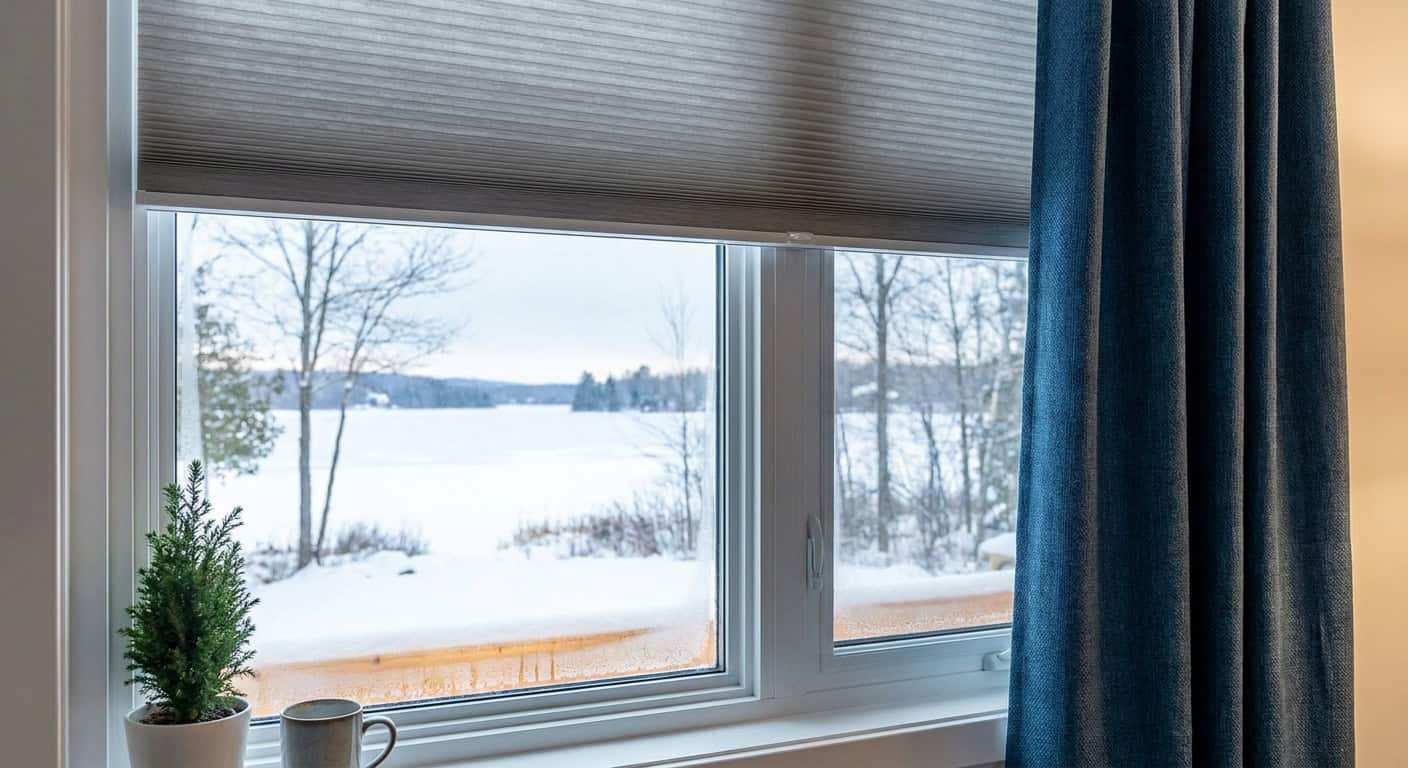
Maximizing Comfort with Energy-Efficient Windows
Energy-efficient windows are a crucial upgrade for Canadian homes, offering significant benefits in maintaining comfort and reducing energy consumption throughout the year. These advanced window systems help regulate indoor temperatures, ensuring your living spaces remain cozy in winter and cool in summer. Investing in these windows contributes to a more sustainable and cost-effective home environment.
Understanding window blind trends can further enhance the thermal performance of your home, especially when paired with energy-efficient windows. The combination creates a robust barrier against external temperature fluctuations. This holistic approach to window coverings provides optimal insulation.
The benefits of window blinds extend beyond aesthetics, contributing to energy savings and improved comfort. Selecting the right treatments can significantly reduce summer heat gain, while also helping to retain warmth during colder months. Our guide on whether roller shades are energy efficient explores specific options for maximizing insulation.
What Makes a Window Energy-Efficient?
The energy efficiency of a window is determined by several key components and technologies that work together to minimize heat transfer. These elements include specialized glazing, inert gas fills between panes, and advanced frame materials. Each part plays a vital role in insulating your home and preventing energy loss.
Smart home integration can also enhance the performance of your windows, as explored in our guide to smart home window automation. Motorized blinds, for example, can be programmed to adjust based on sunlight, contributing to temperature regulation. Discover more about how motorized blinds work and their benefits for energy management.
Looking at window blind trends also shows an increasing focus on energy-saving designs. Understanding daylight harvesting basics can further optimize your home’s energy use by maximizing natural light while minimizing heat gain.
- Low-E Coatings: These microscopic metallic layers on glass reflect radiant heat, keeping interiors warmer in winter and cooler in summer.
- Multiple Panes: Double or triple-paned windows create insulating air pockets that reduce heat conduction.
- Inert Gas Fills: Argon or krypton gas between glass panes acts as a superior insulator compared to air, further slowing heat transfer.
- Spacers: Warm-edge spacers reduce heat conduction at the edge of the glass, minimizing condensation and improving overall thermal performance.
- Frame Materials: Materials like vinyl, fiberglass, and wood offer better insulation than traditional aluminum frames.
Benefits of Installing Energy-Efficient Windows
Upgrading to energy-efficient windows offers a multitude of advantages, from substantial financial savings to significantly improved living conditions. After installing hundreds of systems in Canadian homes, our team has found that the benefits of energy-efficient windows are immediately noticeable in terms of comfort and utility savings. These windows provide a long-term return on investment. For additional ways to enhance your home’s energy efficiency, consider exploring energy efficient window coverings.
Reducing Energy Bills and Carbon Footprint
One of the primary benefits of energy-efficient windows is the considerable reduction in energy bills. By minimizing heat loss in winter and heat gain in summer, your HVAC systems work less intensively, leading to lower electricity and heating costs. Our guide on whether roller shades are energy efficient highlights how combining effective window treatments with these windows can further amplify savings. This also translates to a smaller carbon footprint, contributing to environmental sustainability.
Enhanced Indoor Comfort and Noise Reduction
Energy-efficient windows create a more stable indoor climate by eliminating cold drafts and hot spots, ensuring consistent temperatures throughout your home. This enhanced comfort is a significant improvement, making your living spaces more enjoyable year-round. Beyond temperature regulation, these windows also offer superior sound insulation, reducing external noise pollution and creating a quieter home environment, as discussed in our exploration of window blinds benefits.
Increased Home Value and Protection from UV Rays
Investing in energy-efficient windows can significantly increase your home’s resale value, making it more appealing to potential buyers looking for cost-effective and comfortable living. Additionally, many energy-efficient windows come with coatings that block harmful UV rays, protecting your furniture, flooring, and artwork from fading. This is a crucial consideration, especially when paired with options like those found in our guide to the best window treatments to reduce summer heat. For different window treatment ideas, explore types of roller blinds.
Types of Energy-Efficient Windows and Materials
The market offers a diverse range of energy-efficient windows, each utilizing different materials and designs to achieve optimal thermal performance. Understanding these options is key to selecting the best fit for your home’s architectural style and climate needs. From vinyl to fiberglass and wood, each material brings its own set of advantages.
For those considering traditional aesthetics, a comparison of faux wood vs wood blinds in Canada can inform your decision, as material choice often impacts overall energy performance. The types of roller blinds available also demonstrate how window coverings contribute to energy efficiency. Keeping up with window blind trends can reveal innovative materials and designs.
Many homeowners also wonder are roller shades energy efficient, and the answer often lies in their material composition and fit. Pairing the right window type with appropriate coverings creates a comprehensive energy-saving solution.
| Window Type/Material | Energy Performance Characteristics |
|---|---|
| Vinyl Windows | Excellent insulation, low maintenance, affordable. Multi-chambered frames enhance thermal resistance. |
| Fiberglass Windows | Highly durable, strong, stable, and resistant to warping or swelling. Excellent insulation properties. |
| Wood Windows | Natural insulator, aesthetically pleasing. Requires more maintenance; often clad with aluminum or vinyl for exterior protection. |
| Aluminum Windows (Thermal Break) | Lightweight and strong, but naturally conductive. Require thermal breaks to prevent heat transfer. |
| Composite Windows | Blend of materials (e.g., wood and polymer) offering combined benefits like durability and insulation. |
Understanding Energy Star & NFRC Labels
When selecting new windows, understanding certifications like Energy Star and NFRC labels is crucial for identifying truly energy-efficient products. These labels provide standardized information about a window’s thermal performance, helping homeowners make informed decisions. They are vital tools for comparing different products accurately.
For families, considerations like child safe window treatments in Canada might also influence window choices, especially regarding hardware and operation. Furthermore, knowing are roller shades energy efficient can help in pairing the right window with the perfect covering.
Automated window solutions, such as those discussed in motorized blinds explained, can also contribute to overall energy management by optimizing light and temperature control. Understanding daylight harvesting basics is another step in maximizing energy savings.
- Locate the Energy Star Label: This blue label signifies that the window meets strict energy efficiency guidelines set by Natural Resources Canada, indicating superior performance.
- Examine the NFRC Label: The National Fenestration Rating Council (NFRC) label provides detailed performance ratings, including U-factor, Solar Heat Gain Coefficient (SHGC), Visible Transmittance (VT), and Air Leakage (AL).
- Interpret U-factor: This measures how well a window prevents heat from escaping. A lower U-factor indicates better insulation and less heat loss.
- Understand SHGC: The Solar Heat Gain Coefficient indicates how much solar radiation passes through the window. A lower SHGC is beneficial in warmer climates to reduce heat gain, while a higher SHGC might be preferred in colder climates to allow passive solar heating.
- Consider Visible Transmittance (VT): VT measures the amount of visible light that passes through the window. A higher VT means more natural light enters your home.
- Check Air Leakage (AL): This rating quantifies how much air infiltrates through the window assembly. Lower AL values indicate fewer drafts and better energy performance.
Cost of Energy-Efficient Windows & Savings
Understanding these ratings helps you make informed decisions about window purchases, and for additional ways to enhance your home’s energy efficiency, consider exploring energy efficient window coverings.
The initial investment in energy-efficient windows can be higher than standard options, but it’s important to consider the long-term financial benefits. These windows are designed to deliver substantial savings on heating and cooling costs, often recouping their upfront expense over time. Various factors influence the total cost.
For instance, comparing a roller blind vs roman shade can offer insights into how different window treatments might affect your budget and energy goals. Finding where you can buy window blinds that complement your new windows is also part of the overall investment.
Initial Investment vs. Long-Term Savings
While the purchase and installation of energy-efficient windows represent a notable upfront cost, the significant reduction in monthly utility bills creates a compelling argument for their value. Homeowners typically see a return on investment within several years, depending on factors such as local climate, energy rates, and the specific window chosen. Understanding whether roller shades are energy efficient can further inform your budget planning for complementary window treatments.
Potential Disadvantages and Considerations
One potential disadvantage of energy-efficient windows can be their higher initial price point, which might be a barrier for some budgets. However, this is often offset by government rebates and long-term savings. Another consideration might be the aesthetic impact of certain specialized coatings or gas fills, which can slightly alter the appearance of the glass. Despite these minor drawbacks, the overall window blinds benefits and energy savings usually outweigh these concerns.
Tax Credits & Rebates for Window Upgrades
Canadian homeowners investing in energy-efficient windows can often take advantage of various tax credits and rebates, significantly reducing the overall cost of their upgrades. These incentives are designed to encourage energy conservation and promote sustainable living. It’s essential to research what programs are available in your specific region.
Understanding these programs can make a substantial difference in your budget, especially when considering the overall investment, including features like child safe window treatments in Canada. Exploring smart home window automation could also open doors to additional incentives.
The window blinds benefits often include improved insulation, which aligns with the goals of many rebate programs. Furthermore, evaluating whether roller shades are energy efficient can help identify products that qualify for these incentives.
The Canadian government often provides incentives for homeowners to invest in energy-saving home improvements.
Choosing Right Windows for Your Canadian Home
Selecting the ideal energy-efficient windows for your Canadian home involves considering your local climate, budget, and aesthetic preferences. It’s an investment that enhances comfort, reduces energy consumption, and contributes to a more sustainable household. Careful planning and research will ensure you make the best choice for your property.
When you’re ready to explore options, our team can help you navigate the choices. Finding where to buy window blinds that complement your new windows is also an important step. You can contact us for expert guidance and to learn more about specific products.
Keeping an eye on window blind trends can also inspire complementary design choices that enhance both the look and thermal performance of your home. Additionally, knowing the best window treatments to reduce summer heat can further maximize your energy savings.